Sampling is the musical form of kleptomania turned into art — you take one tiny piece of sound, loop it, flip it, and suddenly it becomes someone else’s heartbeat. For music lovers, producers, and movie soundtrack curators, knowing the most sampled songs list is like having a cheat sheet to the DNA of modern beats. In this article I’ll guide you through the classics — where they came from, who used them, and why they still power tracks across genres. Ready? Let’s dig in.
Why Sampling Changed Music
Brief history of sampling
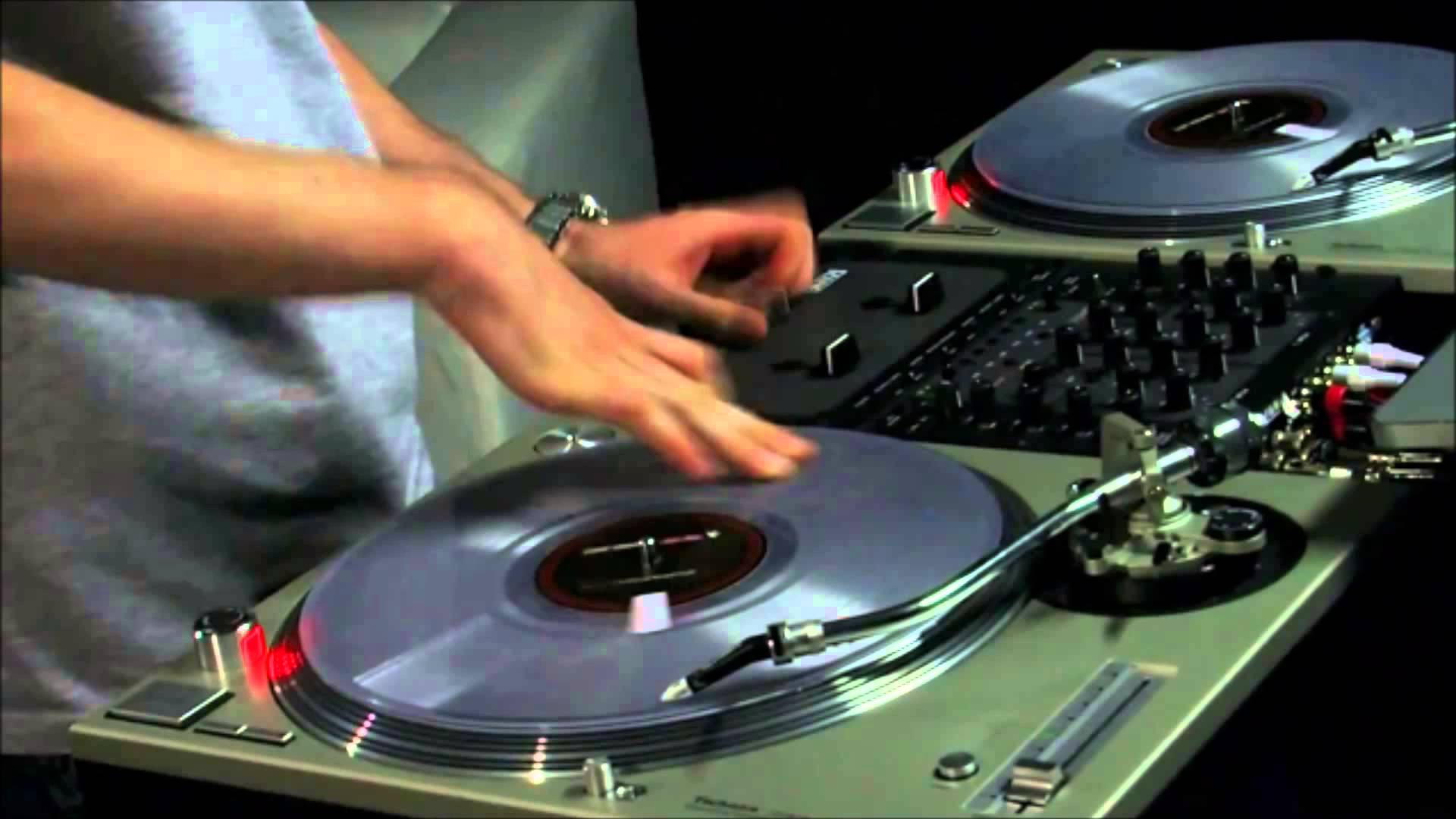
Sampling began as a studio curiosity and exploded with affordable technology. In early days, producers used tape loops and studio trickery; later, hardware samplers like the Akai MPC democratized the process. Suddenly, loops from funk, soul, rock, and obscure records became building blocks for hip-hop, electronic, and pop.
Technology that enabled sampling
From the Fairlight and E-mu SP-1200 to the Akai MPC and modern DAWs, each leap made sampling cheaper, more precise, and more creative. When a 2-bar drum break can be isolated, sliced, and time-stretched in seconds, magic (and lawsuits) happen.
How We Decide What’s “Most Sampled”
Counting samples vs. influence
“Most sampled” can mean two things: the raw number of times a snippet was reused, or the breadth of influence across genres. In practice, lists combine both — iconic breaks that appear countless times and motifs that shaped entire styles.
Genres that sample the most
Hip-hop is the obvious leader, but electronic, trip-hop, drum & bass, pop, and even film scoring borrow heavily. Cross-genre sampling has blurred boundaries — a funk guitar can anchor a trap anthem.
Top 15 Most Sampled Songs (Quick List)
(A compact most sampled songs list to bookmark)
- “Amen, Brother” — The Winstons (Amen Break)
- “Funky Drummer” — James Brown
- “Think (About It)” — Lyn Collins (“Woo! Yeah!”)
- “Impeach the President” — The Honey Drippers
- “La Di Da Di” — Doug E. Fresh & Slick Rick
- “Good Times” — Chic
- “Apache” — The Incredible Bongo Band
- “Synthetic Substitution” — Melvin Bliss
- “Get Out of My Life, Woman” — Lee Dorsey
- “It’s a New Day” / “Funky President” — James Brown family of grooves
- “N.T.” / Various break-beat records
- “Thinkin’ About My Baby” / Soul records used as hooks
- “I Want’a Do Something Freaky to You” — Leon Haywood
- “The Big Beat” — Billy Squier
- “Sing a Simple Song” — Sly & The Family Stone
Deep Dives: Origins & Notable Uses
“Amen, Brother” — The Amen Break
Origin & original artist
Originally a short drum break from a 1969 B-side by The Winstons, the “Amen Break” is a 6–7 second drum pattern played by Gregory Coleman. It wasn’t meant to change music history — it was just a beat in a gospel/psych track.
Famous uses & genres affected
Drum & bass, jungle, hip-hop, and electronic producers mined it endlessly. From N.W.A.’s early sampling culture to British jungle’s entire rhythmic backbone, Amen is everywhere. That tiny drum fill engineered entire scenes.
“Funky Drummer” — James Brown
Origin & breakbeat
Recorded in 1970, Clyde Stubblefield’s drum break is arguably the single most influential drum sample after Amen. It’s raw, tight, and endlessly loopable.
Famous tracks using it
Public Enemy, N.W.A, and countless hip-hop producers pulled the groove. The break’s ghost is audible in both classic rap and modern pop.
“Think (About It)” — Lyn Collins
The “Woo! Yeah!” sample
Produced by James Brown’s team, this female-vocal record contains the famous “Woo! Yeah!” break that’s been chopped into ad libs across hip-hop and dance. Rob Base, Snoop Dogg, and so many DJs have used it that the shout feels like a punctuation mark in music.
“Impeach the President” — The Honey Drippers
A crisp snare and distinctive groove made this 1973 protest song a favorite source of hip-hop drums and loops. It’s the secret sauce behind many 80s/90s rap beats.
“La Di Da Di” — Doug E. Fresh & Slick Rick
More than a sample source, “La Di Da Di” is an origin story for vocal looping and beatboxing. Rappers and pop artists replayed its lines and melodies for decades — it’s quoted like a literary text.
“Good Times” — Chic
The bassline from “Good Times” was famously used in Sugarhill Gang’s “Rapper’s Delight” — an early cross-over where disco bass met hip-hop rhymes — launching commercial rap.
“Apache” — The Incredible Bongo Band
Drums and bongos from this 1973 track became staples in breakdancing and early hip-hop. DJs looped the percussive intro for MCs and B-boys alike.
“Synthetic Substitution” — Melvin Bliss
The drum track here was a producer favorite—crisp, short, and easy to rearrange. You’ll hear its DNA across rap and pop.
“Get Out of My Life, Woman” — Lee Dorsey
A soulful pattern with a groove that producers slice for hooks and verses. It’s one of those records where a few bars can carry a whole song’s vibe.
Why These Songs Keep Getting Reused
Timeless grooves and textures
A perfect beat or a unique vocal turn is like a perfume: it instantly sets atmosphere. Producers reuse these because they’re efficient storytelling tools — a two-bar loop can communicate “funk,” “anger,” or “nostalgia.”
Cultural & legal factors
Some breaks were cheap to sample in the 80s/90s, others were obscure records nobody claimed. As law and awareness evolved, sampling became both a creative choice and a legal negotiation.
Sampling Ethics and Legal Stuff
Clearance, credit, and royalties
Today, most mainstream artists clear samples — they pay or negotiate a share. That’s why older records are getting fresh credit lines and why estates of sampled artists sometimes reap long-overdue revenue.
Famous legal cases and what they changed
High-profile lawsuits in the 90s and 2000s taught producers to clear samples or risk costly settlements. The process can be complex — sometimes sampling a tiny drum hit still needs permission.
How Sampling Fuels New Creativity
Collage, remix, and the art of reinterpretation
Sampling isn’t laziness — it’s collage. Think of it like cuisine: a chef borrows spices to create new flavors. Producers often flip a sample beyond recognition — pitch-shift, reverse, chop — creating something fresh while honoring the old.
Case studies of reinvention
Examples abound: a funk loop reimagined as a trap anthem, a disco bassline anchoring an indie dance hit. The creative joy is in transformation, not mere repetition.
Practical Guide: Finding & Using Samples Today
Tools and libraries
Splice, Loopmasters, and official sample packs make legal loops accessible. For those digging crates, record shops and archive sites still yield unique gems — but be mindful of clearance.
Best practices
Always ask permission for commercial release. Document sources, negotiate fairly, and consider crediting sampled artists in liner notes and metadata. It’s better for community, legacy, and your wallet.
The Future of Sampling
AI sampling, legal reform, and renewed respect for original creators will shape the next era. Expect automated clearing services, more collaborations between estates and producers, and new ways to transform sound (think granular synthesis and AI remixes). Sampling will remain a living conversation between past and future.
🎶 Dive into the beats that shaped music history! Discover the most sampled songs ever and uncover the legends behind today’s biggest hits.
👉 Read more exclusive music insights only on RedFortz.com — where entertainment meets rhythm!