Have you ever noticed how your breathing changes when you’re stressed? It becomes shallow, rushed, almost panicked. Now think about how you breathe when you’re calm—slow, deep, effortless.
That difference isn’t accidental. Your breath is more than just air moving in and out of your lungs. It’s a powerful switch that controls how calm, focused, and emotionally balanced you feel.
In a world that constantly pulls your attention in a hundred directions, mindful breathing has quietly become one of the most effective calm habits you can build. It costs nothing. It’s always available. And yet, most of us completely overlook it.
Let’s change that.
The Modern Struggle With Calm and Focus
Why Stress Feels Louder Than Ever
We’re living in an age of constant stimulation. Notifications, deadlines, social pressure, financial worries, and global uncertainty create a background noise that never truly stops.
Even when you’re resting, your mind is often racing:
- “Did I reply to that message?”
- “What if I mess up tomorrow?”
- “Why can’t I just relax?”
This chronic mental tension makes calm feel like a luxury instead of a natural state.
How Distraction Is Stealing Our Attention
Focus has become fragile. Many teens and young adults struggle to stay present for even a few minutes. Adults feel mentally exhausted before noon. The result? A nervous system stuck in survival mode.
That’s where calm habits—especially mindful breathing—step in as a reset button.
What Are Calm Habits and Why Do They Matter?
Defining Calm Habits in Daily Life
Calm habits are small, intentional practices that signal safety to your nervous system. They don’t eliminate stress—but they change how your body responds to it.
Examples include:
- Mindful breathing
- Gentle movement
- Journaling
- Limiting screen time
- Spending time in nature
Among all of these, breathing is the most immediate and powerful.
The Link Between Calm Habits and Mental Clarity
When your nervous system is calm, your brain works better. Decision-making improves. Emotional reactions soften. Focus sharpens.
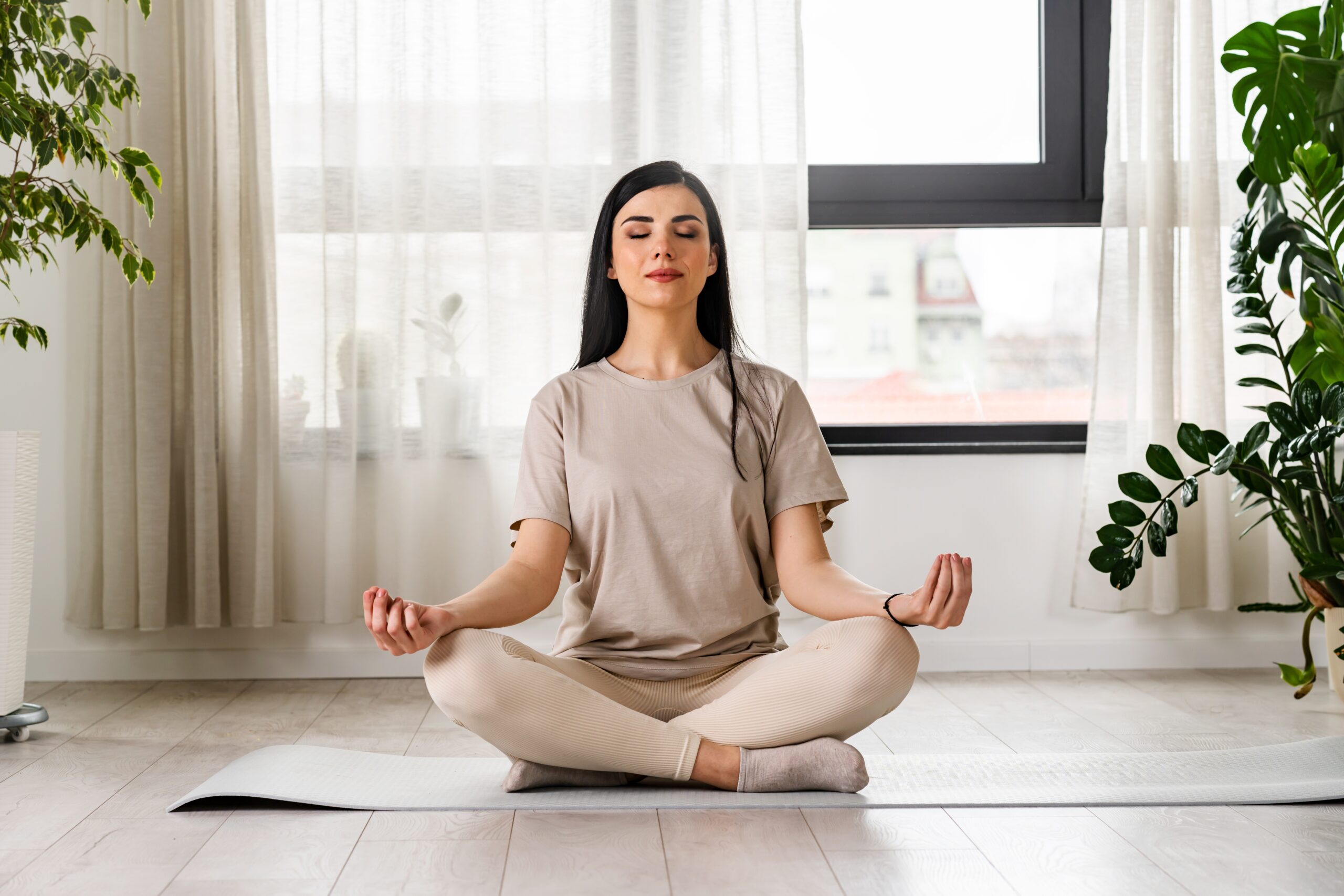
Mindful breathing exercises for calm focus directly support this process by calming the body first—then the mind follows.
Understanding Mindful Breathing at Its Core
What Is Mindful Breathing?
Mindful breathing means paying attention to your breath on purpose, without trying to control it aggressively or judge it.
It’s about noticing:
- The inhale
- The exhale
- The pause between breaths
That’s it. Simple, but deeply effective.
Mindful Breathing vs Normal Breathing
You breathe automatically all day, but most of the time, you’re not aware of it.
Mindful breathing:
- Slows your breath
- Deepens oxygen intake
- Signals safety to the brain
- Anchors your attention in the present moment
This is why it’s considered the backbone of many calm habits.
The Science Behind Mindful Breathing and the Brain
How Breathing Affects the Nervous System
Your nervous system has two main modes:
- Fight-or-flight (stress)
- Rest-and-digest (calm)
Your breath controls which mode dominates.
The Parasympathetic Response Explained
Slow, deep breathing activates the parasympathetic nervous system. This lowers heart rate, reduces cortisol, and relaxes muscles.
It’s your body’s natural calming mechanism.
Why Slow Breathing Improves Focus
When stress hormones drop, your prefrontal cortex—the part responsible for focus and decision-making—functions better.
That’s why mindful breathing exercises for calm focus are so effective during exams, presentations, or emotional moments.
Why Mindful Breathing Is the Foundation of Calm Habits
Breath as the Anchor of Awareness
Your breath is always happening in the present moment. When your thoughts spiral into the past or future, the breath gently brings you back.
It’s like dropping an anchor in choppy waters.
Emotional Regulation Through Breathing
Ever tried to reason with yourself while panicking? It rarely works.
Breathing calms the body first. Then emotions naturally soften. This makes breathing one of the most reliable calm habits for emotional regulation.
Mindful Breathing Exercises for Calm Focus
Box Breathing for Instant Calm
- Inhale for 4 seconds
- Hold for 4 seconds
- Exhale for 4 seconds
- Hold for 4 seconds
Repeat for 3–5 minutes. Great for anxiety, stress, or before important tasks.
4-7-8 Breathing for Anxiety Relief
- Inhale for 4 seconds
- Hold for 7 seconds
- Exhale for 8 seconds
This slows your heart rate and deeply relaxes the nervous system.
Belly Breathing for Deep Relaxation
Place one hand on your chest, one on your belly. Breathe so your belly rises more than your chest.
This activates full oxygen exchange and deep calm.
One-Minute Reset Breath for Busy Days
When you’re overwhelmed:
- Take 5 slow breaths
- Lengthen each exhale slightly
- Relax your shoulders
One minute can change your entire state.
Real-Life Stories: How Breathing Changes Everything
A Student Before Exams
A college student struggling with test anxiety began practicing box breathing before exams. Instead of panicking, she felt grounded and focused. Her grades improved—not because she studied more, but because she stayed calm.
A Young Professional Facing Burnout
A marketing executive started using mindful breathing during lunch breaks. Within weeks, his irritability decreased and focus returned. Small calm habits created big shifts.
How to Build Mindful Breathing Into Your Daily Routine
Morning Calm Habits
Start your day with 3–5 minutes of mindful breathing before checking your phone. This sets the tone for clarity and calm.
Breathing Breaks During the Day
Before meetings, after stressful conversations, or during work transitions—even 60 seconds helps.
Nighttime Wind-Down Rituals
Mindful breathing before sleep improves rest and reduces nighttime anxiety.
Common Mistakes People Make With Breathing Practices
Trying Too Hard
Breathing shouldn’t feel forced. If you’re straining, ease up.
Expecting Instant Perfection
Calm grows with consistency, not intensity. Progress is subtle—but powerful.
Mindful Breathing for Teens and Young Adults
Social Media, Pressure, and Overthinking
Constant comparison and online pressure overload young minds. Mindful breathing offers a private, portable calm tool—no app required.
Mindful Breathing for Stress and Anxiety
Why It Works When Thoughts Don’t Stop
You can’t always control thoughts, but you can always control your breath. That’s why breathing works even when the mind resists.
Supporting Calm Habits With Lifestyle Choices
Sleep, Nutrition, and Movement
Breathing works best alongside:
- Quality sleep
- Balanced meals
- Gentle physical activity
Together, they create a calm foundation.
When Mindful Breathing Isn’t Enough
Knowing When to Seek Support
Breathing supports mental health—but it doesn’t replace professional help. If anxiety feels overwhelming, seeking support is a strength.
Conclusion: Your Breath Is Always With You
Mindful breathing isn’t about becoming someone new. It’s about returning to yourself.
Among all calm habits, breathing stands out because it’s immediate, free, and always available. With practice, it becomes a quiet companion—guiding you back to calm and focus whenever life feels heavy.
Your breath has been with you since the beginning. Maybe it’s time you truly listened.
Frequently Asked Questions
- How often should I practice mindful breathing? Daily practice—even 2–5 minutes—creates lasting benefits.
- Can mindful breathing really improve focus? Yes. It calms the nervous system, allowing your brain to concentrate better.
- Are mindful breathing exercises safe for anxiety? Generally yes, but start gently. If discomfort arises, slow down.
- Do I need a quiet space to practice? No. You can practice anywhere—desk, bed, or even public spaces.
- How long before I notice results? Many people feel calmer immediately. Deeper changes come with consistency.