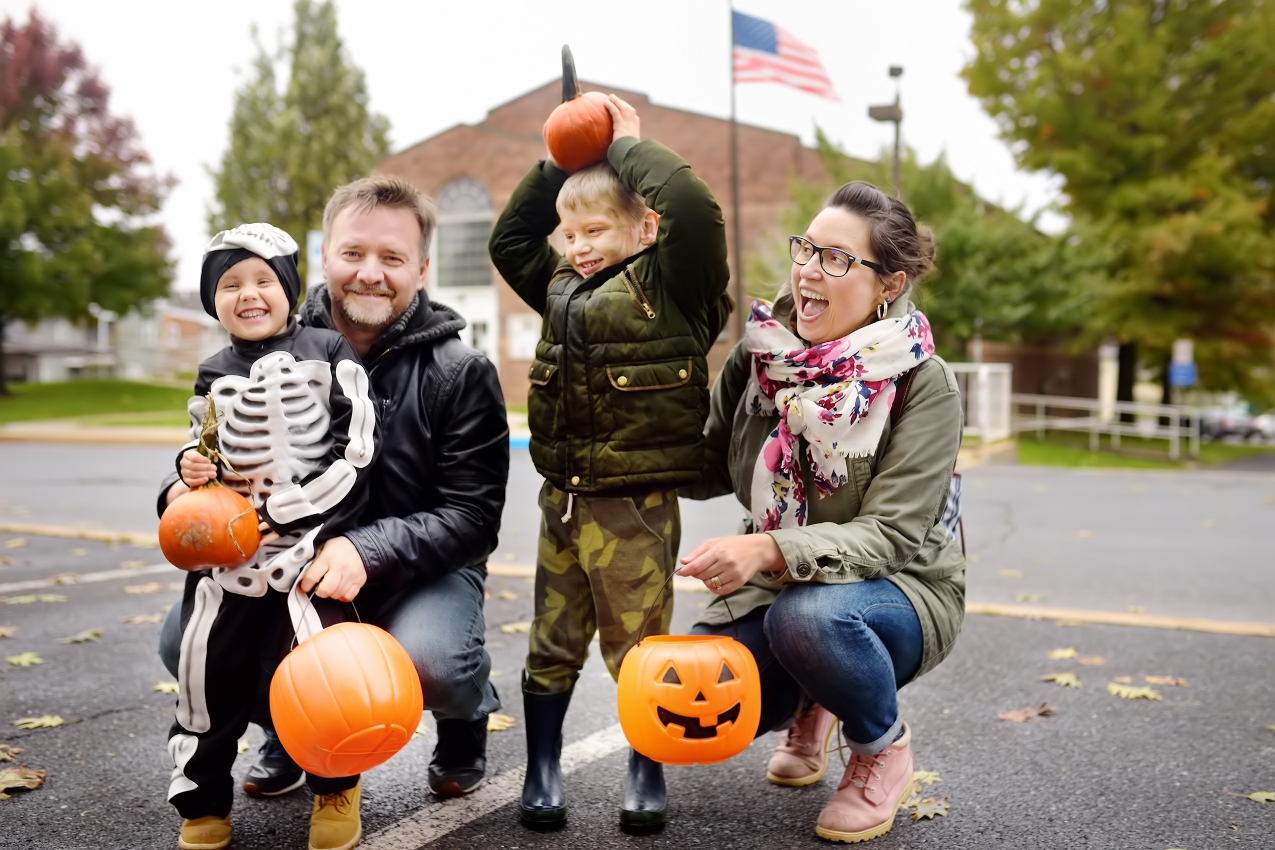
Halloween is a magical night filled with costumes, candy, and excitement. But as fun as it is, it’s also a time when accidents can happen if we aren’t careful. That’s why following proper Halloween Safety Tips is essential for everyone—kids, adults, and even pets. Let’s dive into some tips that will make your trick-or-treating experience both fun and safe.
Why Halloween Safety Matters
Halloween is all about spooky fun, but statistics show that children are more likely to be injured on Halloween than on any other day of the year. From falls and tripping accidents to road safety hazards, ensuring everyone is aware of potential dangers can make a huge difference. The good news? Most of these risks are preventable.
Plan Ahead: Preparing for a Safe Halloween
Choosing the Right Costume
A costume should be fun but safe. Avoid long trailing capes or skirts that could lead to tripping. Costumes made from flame-resistant materials are ideal, especially around candles or jack-o’-lanterns.
Visibility is Key
Trick-or-treaters will often be out after dark, so reflectors, glow sticks, or LED accessories are must-haves. Bright colors and reflective tape help drivers see you from a distance.
Comfortable Footwear for Long Walks
Cute shoes are great for photos, but Halloween usually involves a lot of walking. Pick shoes that fit well and provide good traction to avoid slips or sore feet.
Trick-or-Treating Safety for Kids
Setting Boundaries and Routes
Before heading out, set clear boundaries. Decide which streets or neighborhoods are safe and agree on a return time. Using a simple map can help older kids stick to safe areas.
Always Go in Groups
There’s safety in numbers. Encourage kids to go trick-or-treating in groups, ideally with at least one adult supervising.
Supervision for Younger Children
Toddlers and preschoolers should never go alone. Adults or responsible older siblings should accompany them at all times.
Safe Treats: What to Look For
Inspecting Candy Before Eating
Check all candy for signs of tampering, unusual smells, or broken packaging. Remove any choking hazards like small toys or hard candies for younger kids.
Avoiding Homemade or Unwrapped Items
Unless you know the source, skip homemade treats or unwrapped items. Stick with sealed, store-bought goodies to minimize risks.
Street and Neighborhood Safety
Walking on Sidewalks and Crosswalks
Always use sidewalks when available and cross streets at designated crosswalks. Avoid darting into streets, and encourage kids to look both ways before crossing.
Be Cautious Around Driveways and Streets
Even familiar neighborhoods have risks. Driveways and alleyways can be dangerous as cars may be backing up, so always stay alert.
Staying in Well-Lit Areas
Stick to well-lit streets and avoid shortcuts through dark alleys or unlit parks. Visibility is key to preventing accidents.
Costume and Accessory Safety
Avoiding Tripping Hazards
Props like swords, wands, or staffs should be lightweight and flexible. Avoid accessories that could poke, trip, or cause injury.
Using Safe Props
Glow-in-the-dark or light-up accessories can double as a fun decoration and a safety tool. Avoid sharp or metal accessories that might harm someone.
Pet Safety During Halloween
Keeping Pets Calm and Indoors
Pets can get stressed with the door constantly opening, loud noises, or strangers. Keep them in a safe, quiet area away from trick-or-treaters.
Avoiding Toxic Treats for Pets
Chocolate, candies with xylitol, and other treats are toxic for pets. Make sure they are safely stored out of reach.
Halloween Safety for Adults
Checking Neighborhood Conditions
Before heading out, adults should inspect their routes. Look for potential hazards like uneven pavement, obstacles, or areas with poor lighting.
Driving Safely Around Trick-or-Treaters
If you’re driving, slow down, stay alert, and be prepared for kids who may run across streets unexpectedly. Trick-or-treating is unpredictable, so caution is crucial.
Emergency Preparedness
Carrying a Phone and Flashlight
Always have a charged phone and a small flashlight or glow stick. This ensures you can contact someone in an emergency and navigate safely in the dark.
Knowing First Aid Basics
A minor scrape or bump can happen. Having basic first aid knowledge, like how to clean cuts and apply bandages, can save a lot of stress.
Conclusion
Halloween is a time of creativity, fun, and community spirit. By following these Halloween Safety Tips, you can make sure your night is filled with memories, not mishaps. Plan ahead, stay visible, supervise children, and enjoy the spooky festivities with confidence. Remember, a little preparation goes a long way in keeping Halloween safe and magical for everyone.
FAQs
1. What’s the best way to make costumes safe for kids?
Use flame-resistant materials, avoid long trailing fabrics, and ensure shoes are comfortable and fit well.
2. Should young kids go trick-or-treating alone?
Absolutely not. Children under 12 should always be accompanied by an adult or responsible older sibling.
3. How can I make my pet feel safe on Halloween?
Keep pets indoors, away from constant doorbells and noisy decorations. Provide a quiet, secure area.
4. Are homemade treats safe for trick-or-treaters?
Unless you know the source personally, it’s safer to stick with store-bought, sealed candies.
5. What’s a good visibility trick for kids at night?
Reflective tape, glow sticks, LED accessories, and bright colors make kids easier to see in the dark.
.