If your mind feels like a browser with 47 tabs open—and one of them is playing music you can’t find—you’re not alone.
Modern life is loud. Notifications buzz. Deadlines loom. Expectations stack up quietly until they feel unbearable. In the middle of all this chaos, many people search for calm as if it’s something to achieve. But what if calm isn’t a destination at all?
What if calm is a habit?
This is where meditation steps in—not as a spiritual luxury or an abstract concept—but as a practical, daily habit for mental calmness. When meditation becomes part of your calm habits, it gently trains your mind to respond rather than react, to pause rather than panic.
Let’s explore how meditation fits naturally into daily habits for calmness—and why it works so powerfully for teens, young adults, stressed professionals, and anyone craving a healthier mental lifestyle.
Why Mental Calmness Matters More Than Ever in Modern Life
The Overstimulated Mind: A Silent Epidemic
We live in a culture that rewards busyness. Being overwhelmed is often worn like a badge of honor. But beneath that hustle lies a growing issue: chronic mental overstimulation.
Our brains were never designed to process:
- Endless scrolling
- Constant alerts
- Multitasking without rest
Over time, this overload erodes our emotional balance. Anxiety increases. Focus decreases. Sleep suffers. Calm habits become not just helpful—but essential.
Mental Calmness vs. Mental Escape
There’s a big difference between calmness and distraction.
- Escape numbs the mind temporarily (doom-scrolling, binge-watching).
- Calmness strengthens the mind long-term.
Meditation doesn’t help you escape your thoughts. It helps you sit with them without being controlled by them. That’s real calm.
Understanding Calm Habits and Why They Work
What Are Calm Habits?
Calm habits are small, intentional behaviors that consistently regulate your nervous system.
Examples include:
- Daily meditation
- Conscious breathing
- Mindful walking
- Journaling
- Limiting digital overload
They work because calm is not created in moments of crisis—it’s built quietly through repetition.
Calm Habits vs. Productivity Hacks
Productivity hacks push you to do more.
Calm habits help you be better while doing less.
When your nervous system is regulated:
- You think clearly
- You react less emotionally
- You make better decisions
Meditation is the backbone of these habits because it directly trains awareness.
The Science Behind Calm Habits
Meditation has been shown to:
- Lower cortisol (stress hormone)
- Activate the parasympathetic nervous system
- Improve emotional regulation
Meditation as the Foundation of Calm Habits
What Meditation Really Is (And What It’s Not)
Let’s clear up a myth.
Meditation is not:
- Emptying your mind
- Becoming emotionless
- Sitting perfectly still with zero thoughts
Meditation is:
- Observing your thoughts without judgment
- Returning attention to the present moment
- Training your awareness gently
Think of it like going to the gym—but for your mind.
Why Meditation Fits Naturally Into Daily Habits
Meditation doesn’t require:
- Special equipment
- Large blocks of time
- A perfect environment
It requires consistency. That’s why it blends seamlessly into calm habits—it’s flexible, adaptable, and forgiving.
Daily Meditation Habits for Calmness Explained
Morning Meditation: Setting the Tone for the Day
Morning meditation acts like a mental compass.
Just 5–10 minutes can:
- Reduce morning anxiety
- Improve focus
- Create emotional steadiness
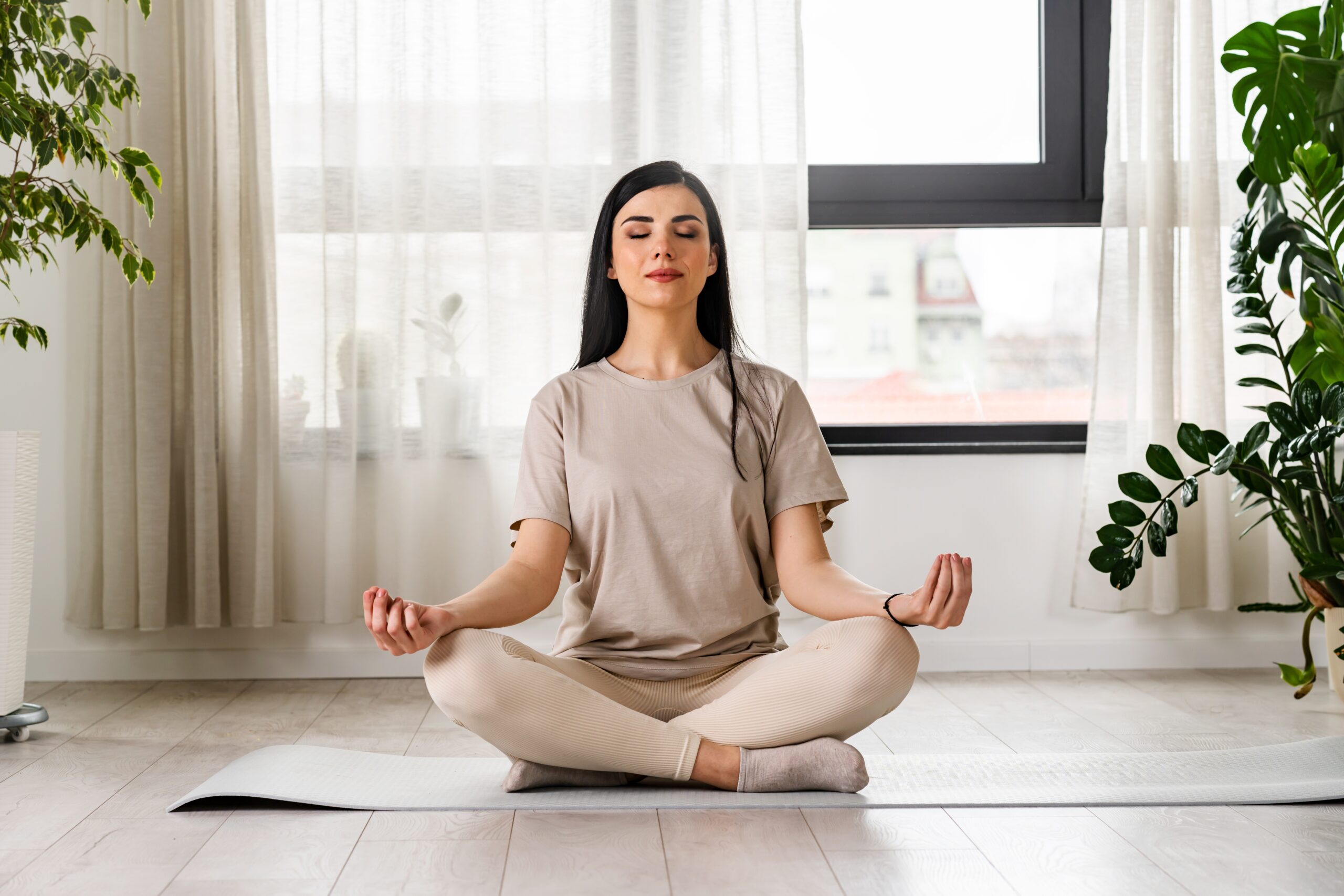
A simple practice:
- Sit comfortably
- Close your eyes
- Focus on your breath for 10 breaths
That’s it. Calm habits don’t need complexity.
Midday Mindfulness: Resetting a Busy Mind
Midday meditation is like hitting the refresh button.
Try:
- 3 deep breaths before lunch
- A 2-minute body scan at your desk
These micro-practices prevent stress from accumulating.
Evening Meditation: Letting the Day Go
Evening meditation helps your nervous system shift into rest mode.
Benefits include:
- Better sleep
- Reduced rumination
- Emotional closure
How Meditation Rewires the Brain for Calm
Neuroplasticity and Emotional Regulation
Your brain changes based on what you repeatedly do.
Daily meditation strengthens:
- The prefrontal cortex (decision-making)
- Emotional regulation centers
- Awareness of thought patterns
Over time, calm becomes your default response.
Meditation and the Stress Response System
Instead of living in fight-or-flight mode, meditation trains your body to recognize safety. That’s why consistent calm habits feel less like effort—and more like stability.
Meditation for Teens and Young Adults
Academic Pressure and Emotional Overload
Teens and young adults face:
- Academic competition
- Social comparison
- Identity uncertainty
Daily meditation habits for calmness help them:
- Manage emotions
- Improve focus
- Build resilience early
Building Calm Habits Early in Life
The earlier calm habits form, the stronger they become.
Meditation teaches young minds:
- Self-awareness
- Emotional intelligence
- Healthy coping mechanisms
These skills last a lifetime.
Meditation for Adults Experiencing Stress or Anxiety
Workplace Stress and Burnout
Adults often suppress stress until it manifests physically or emotionally.
Meditation offers:
- A safe daily pause
- Mental clarity under pressure
- Emotional grounding
Meditation as a Daily Emotional Anchor
Even on chaotic days, meditation provides a stable inner reference point.
It reminds you:
“I am not my stress. I am the one observing it.”
Practical Ways to Build Calm Habits Through Meditation
Starting Small: The 5-Minute Rule
Consistency beats duration.
Start with:
- 5 minutes daily
- Same time, same place
This builds trust with yourself.
Habit Stacking Meditation into Daily Life
Attach meditation to existing habits:
- After brushing teeth
- Before morning coffee
- Before bedtime
This makes calm habits automatic.
Common Mistakes That Break Meditation Habits
Avoid:
- Expecting instant calm
- Judging “bad” sessions
- Overcomplicating techniques
Meditation is a practice, not a performance.
Combining Meditation with Other Calm Habits
Breathing, Journaling, and Digital Detoxing
Meditation works even better when paired with:
- Breathwork
- Reflective journaling
- Reduced screen time
Together, they create a calm lifestyle ecosystem.
Movement-Based Meditation and Stillness
Not all meditation is still. Try:
- Walking meditation
- Yoga-based mindfulness
- Gentle stretching
Calm can move too.
Real-Life Story: How Daily Meditation Changed My Relationship with Stress
I used to think stress was unavoidable. Something to endure.
When I started meditating daily—just five minutes—I didn’t feel calm immediately. But I noticed something subtler.
- I paused before reacting.
- I breathed before replying.
- I softened instead of spiraling.
That’s the power of calm habits. They don’t erase stress. They change your relationship with it.
The Long-Term Benefits of Daily Meditation Habits for Calmness
Emotional Stability and Mental Clarity
With time, meditation offers:
- Fewer emotional spikes
- Clearer thinking
- Greater patience
Improved Relationships and Self-Awareness
When you’re calmer inside:
- You listen better
- You react less defensively
- You communicate more kindly
Calm habits ripple outward.
Conclusion: Calm Is a Practice, Not a Personality Trait
Calm isn’t something you’re born with—or without.
It’s something you practice.
Meditation, when woven into daily calm habits, becomes a quiet but powerful force. It doesn’t demand perfection. It invites presence.
And over time, presence becomes peace.
Frequently Asked Questions (FAQs)
1. How long does it take to see results from daily meditation?
Most people notice subtle changes within 1–2 weeks, especially in emotional awareness and stress response.
2. Can meditation really help with anxiety?
Yes. Regular meditation helps regulate the nervous system and reduces anxious thought patterns over time.
3. Is guided meditation better than silent meditation?
Both are effective. Beginners often benefit from guided sessions, while silent meditation builds deeper awareness later.
4. What if I miss a day of meditation?
Missing a day doesn’t undo progress. Calm habits are about consistency, not perfection.
5. Can teens safely practice meditation daily?
Absolutely. Meditation is safe, beneficial, and highly recommended for emotional regulation in teens.