
In today’s fast-paced world, maintaining calm and focus can feel like chasing a mirage. Yet, some people seem effortlessly centered, handling stress with ease, and staying productive without burning out. The secret? They follow calm habits—intentional routines and mindsets that nurture tranquility and concentration every single day. In this article, we’ll uncover the daily habits of calm people, backed by science and practical tips you can apply immediately.
Introduction: Why Calm Habits Matter
Calm habits are more than a luxury—they’re a cornerstone for mental clarity, emotional resilience, and overall well-being. Imagine facing a chaotic inbox, back-to-back meetings, or traffic jams without losing your cool. The habits you cultivate daily directly impact your ability to respond rather than react. In short, calm habits equal power, focus, and a more joyful life.
The Science Behind Calmness and Focus
How Stress Affects the Brain
Chronic stress triggers the amygdala, the brain’s alarm system, making us reactive rather than reflective. This constant “fight or flight” mode diminishes focus, creativity, and emotional balance.
The Role of Daily Routines
Daily routines create predictability for the brain. When your mind knows what to expect, it saves energy, reduces anxiety, and strengthens attention. Calm people use routines as anchors to navigate life smoothly.
Morning Rituals of Calm People
A peaceful day begins with a mindful morning. These habits set the tone for focus and tranquility.
Wake Up Early and Mindfully
Calm people often wake up before the chaos begins. This isn’t about being a morning perfectionist—it’s about gaining a quiet window to center themselves. Try spending 10 minutes stretching, sipping water, or simply observing your thoughts before diving into the day.
Meditation and Mindfulness Practices
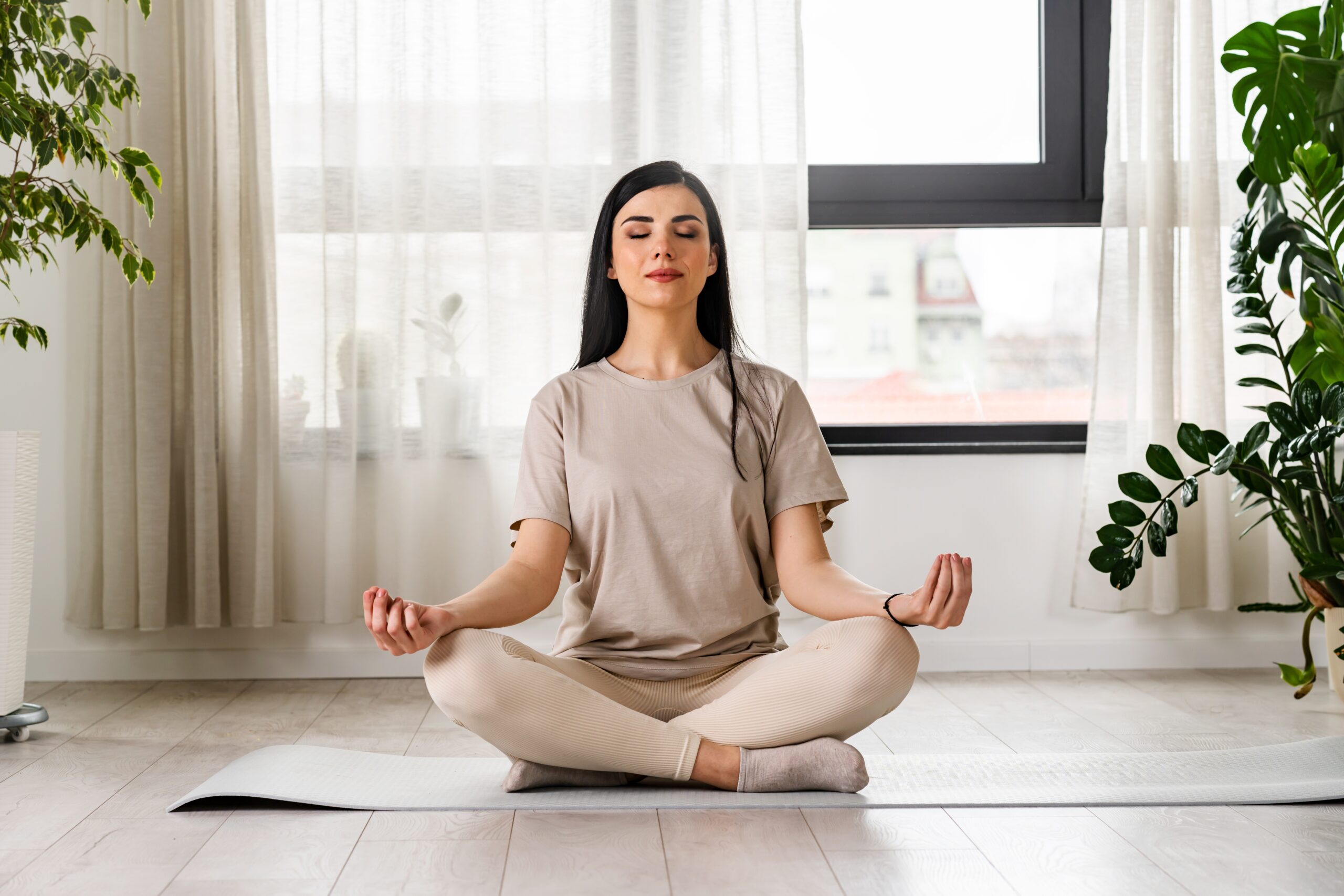
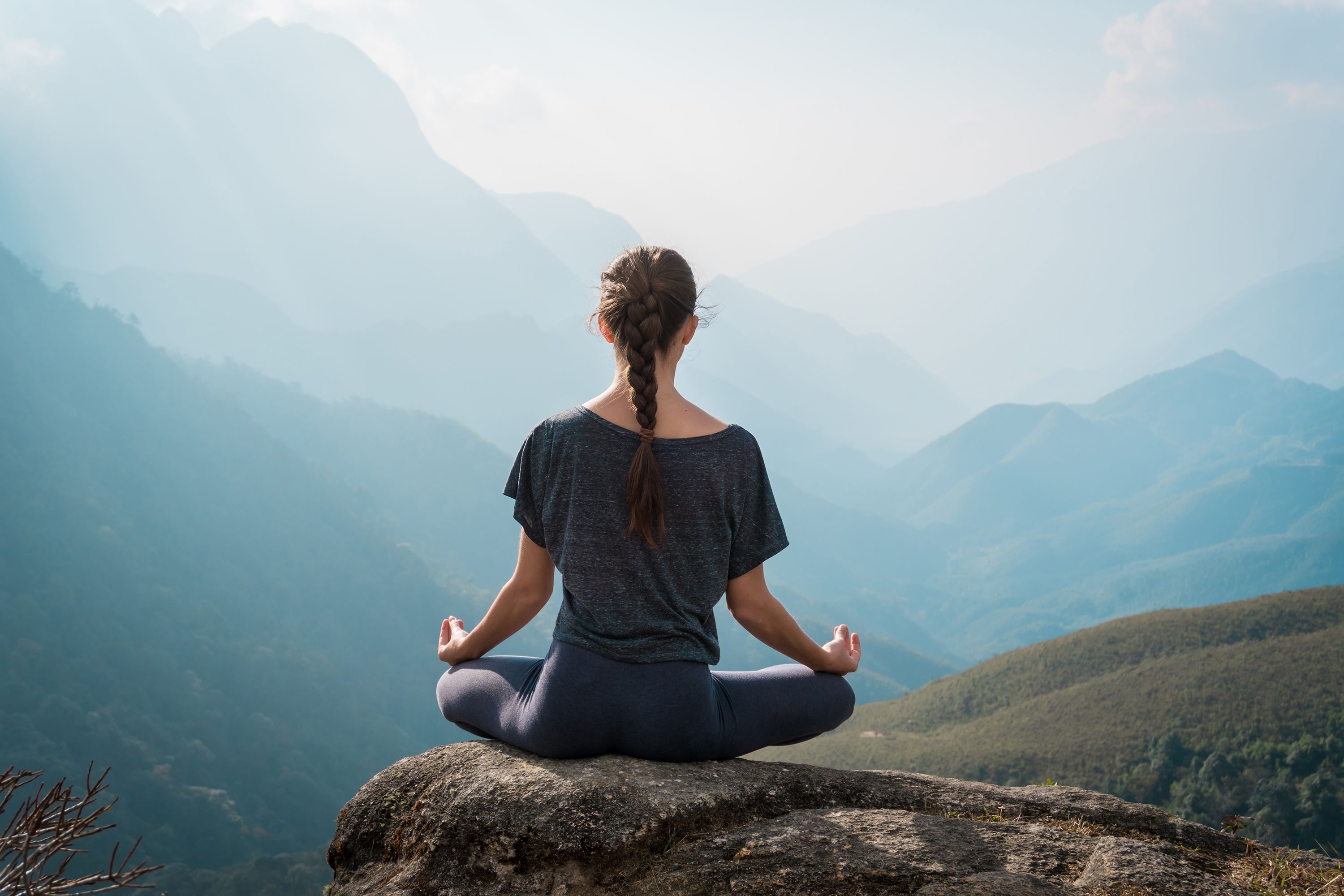
Meditation doesn’t have to be complicated. Even five minutes of mindful breathing can lower cortisol and enhance concentration. Consider guided meditations, breathing exercises, or simply sitting in silence to greet the day.
Healthy Breakfast and Hydration Habits
A calm morning includes nourishing the body. Protein-rich breakfasts, whole grains, fruits, and plenty of water provide sustained energy. Avoid sugar spikes that trigger mood swings and anxiety.
Workday Habits to Maintain Focus
Calm habits aren’t limited to mornings—they extend throughout your workday.
Prioritizing Tasks and Time Management
Calm people start with the most important tasks first, using tools like the Eisenhower Matrix. Breaking projects into smaller steps prevents overwhelm and keeps attention sharp.
Taking Intentional Breaks
Frequent micro-breaks refresh the mind and body. Step outside, stretch, or practice 2–3 minutes of deep breathing. These pauses prevent stress from building up.
Managing Digital Distractions
Notifications and constant emails are productivity killers. Calm individuals schedule blocks of focus time, mute alerts, and avoid multitasking to maintain concentration.
Evening Routines to Unwind and Recharge
How you end the day matters as much as how you start it.
Reflection and Journaling
Writing down thoughts, gratitude lists, or lessons learned helps process emotions and prevent rumination at night.
Relaxing Activities Before Bed
Reading, gentle yoga, or listening to soft music signals your brain to unwind. Avoid screens or stressful content that triggers overthinking.
Consistent Sleep Patterns
Calm people prioritize 7–9 hours of sleep and stick to a consistent bedtime. Quality sleep improves emotional regulation and cognitive function.
Mindset and Mental Practices
Your mental habits shape your inner calm more than external circumstances.
Practicing Gratitude Daily
Reflecting on what you’re thankful for shifts focus from stress to abundance, enhancing resilience and mood.
Letting Go of Perfectionism
Calm people embrace progress over perfection. Mistakes are learning opportunities, not failures.
Positive Self-Talk and Visualization
Replacing negative self-talk with supportive statements or visualizing success reduces anxiety and improves clarity.
Physical Habits That Support Calmness
The body and mind are deeply connected.
Regular Exercise and Movement
Activities like walking, yoga, or light cardio reduce cortisol, improve focus, and boost mood.
Breathwork and Stretching Techniques
Deep breathing exercises calm the nervous system, while stretching releases tension accumulated throughout the day.
Spending Time in Nature
Nature walks, gardening, or simply sitting outside refresh the mind, lower stress hormones, and increase mindfulness.
Social Habits of Calm People
Who you surround yourself with influences your mental state.
Surrounding Yourself with Positive People
Calm individuals seek uplifting relationships that encourage growth, not drama.
Setting Boundaries Gracefully
Saying no without guilt protects energy and maintains emotional balance.
Meaningful Conversations Over Small Talk
Engaging in deeper conversations fosters connection and reduces superficial stress.
Nutrition and Lifestyle Choices
What you eat affects how you feel.
Mindful Eating Practices
Eating slowly, savoring flavors, and avoiding distractions improves digestion and prevents stress-related overeating.
Limiting Caffeine and Sugar
Excessive caffeine or sugar spikes can increase anxiety. Calm people consume mindfully and in moderation.
Staying Hydrated Throughout the Day
Dehydration affects concentration and mood. Drinking water regularly keeps the mind clear and body energized.
Common Mistakes That Disrupt Calm Habits
Multitasking and Overcommitting
Trying to do everything at once leads to mental clutter and stress. Focus on one task at a time.
Ignoring Emotional Signals
Calm people pay attention to fatigue, irritability, or stress, adjusting routines instead of ignoring them.
Neglecting Self-Care
Skipping meals, sleep, or personal time diminishes calmness. Prioritize self-care consistently.
Practical Tips to Build Calm Habits Quickly
Start Small and Build Gradually
Introduce one habit at a time. Small changes compound into lasting routines.
Use Habit Tracking Tools
Apps, journals, or calendars help maintain consistency and measure progress.
Celebrate Small Wins
Acknowledge your efforts to reinforce positive behavior and keep motivation high.
Conclusion: Making Calm Habits a Lifestyle
Cultivating calmness is a journey, not a destination. By integrating calm habits—from mindful mornings and workday strategies to evening wind-downs—you can navigate life with focus, clarity, and resilience. Start small, stay consistent, and watch as these habits transform stress into serenity.
FAQs
- What are the easiest calm habits to start today?
Start with deep breathing for 5 minutes, drinking water first thing in the morning, and a short gratitude journal. - How long does it take to build calm habits?
Consistency matters more than speed. Most people notice significant changes in 3–6 weeks. - Can calm habits improve work productivity?
Absolutely. By reducing stress and distractions, calm habits enhance focus, decision-making, and creativity. - Are calm habits different for night owls vs. early risers?
The principles are the same; timing can be adjusted to suit your natural rhythm. - How do I maintain calm habits during stressful periods?
Focus on foundational habits: sleep, hydration, mindful breathing, and short reflective breaks. Scaling down temporarily is okay; consistency is key.