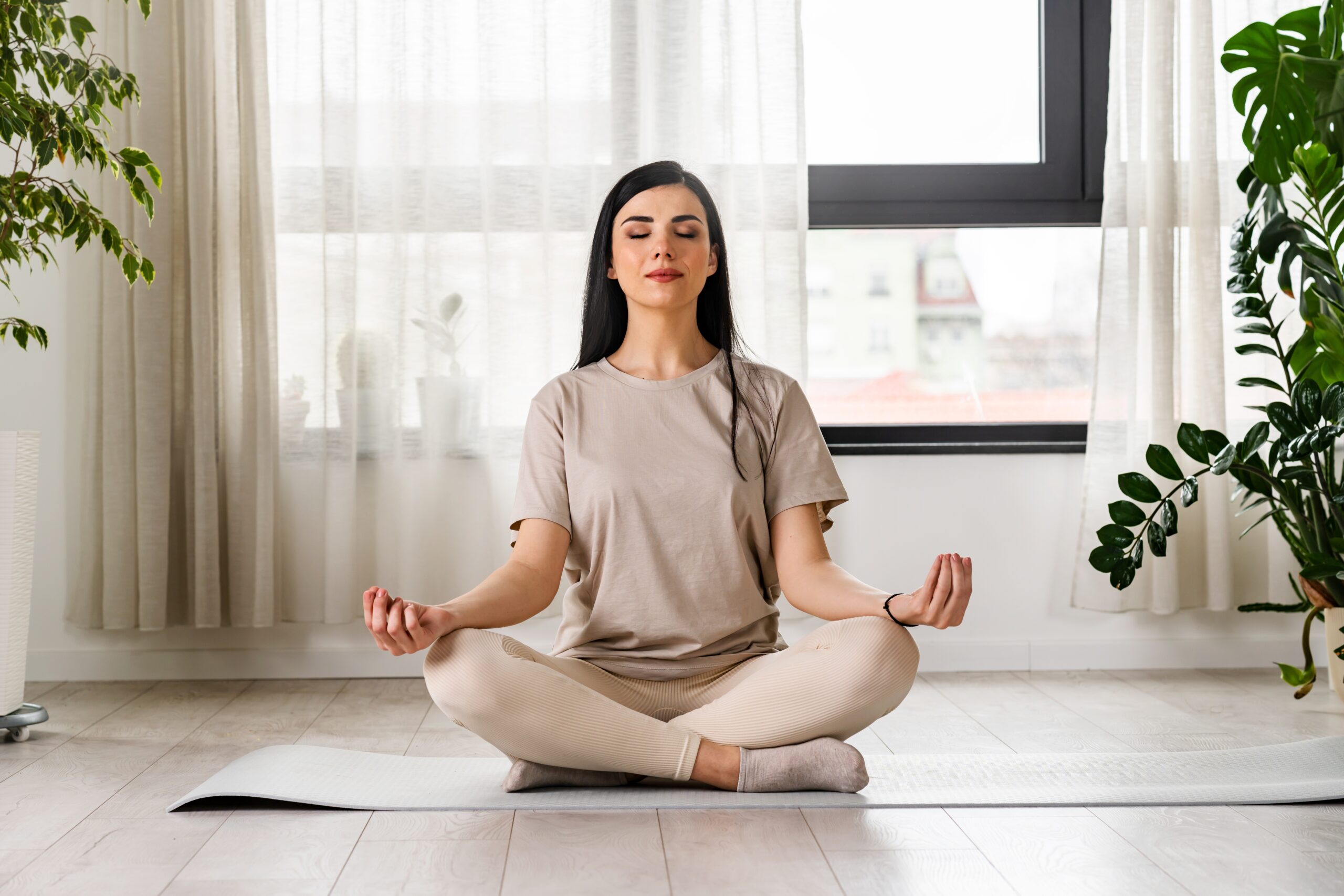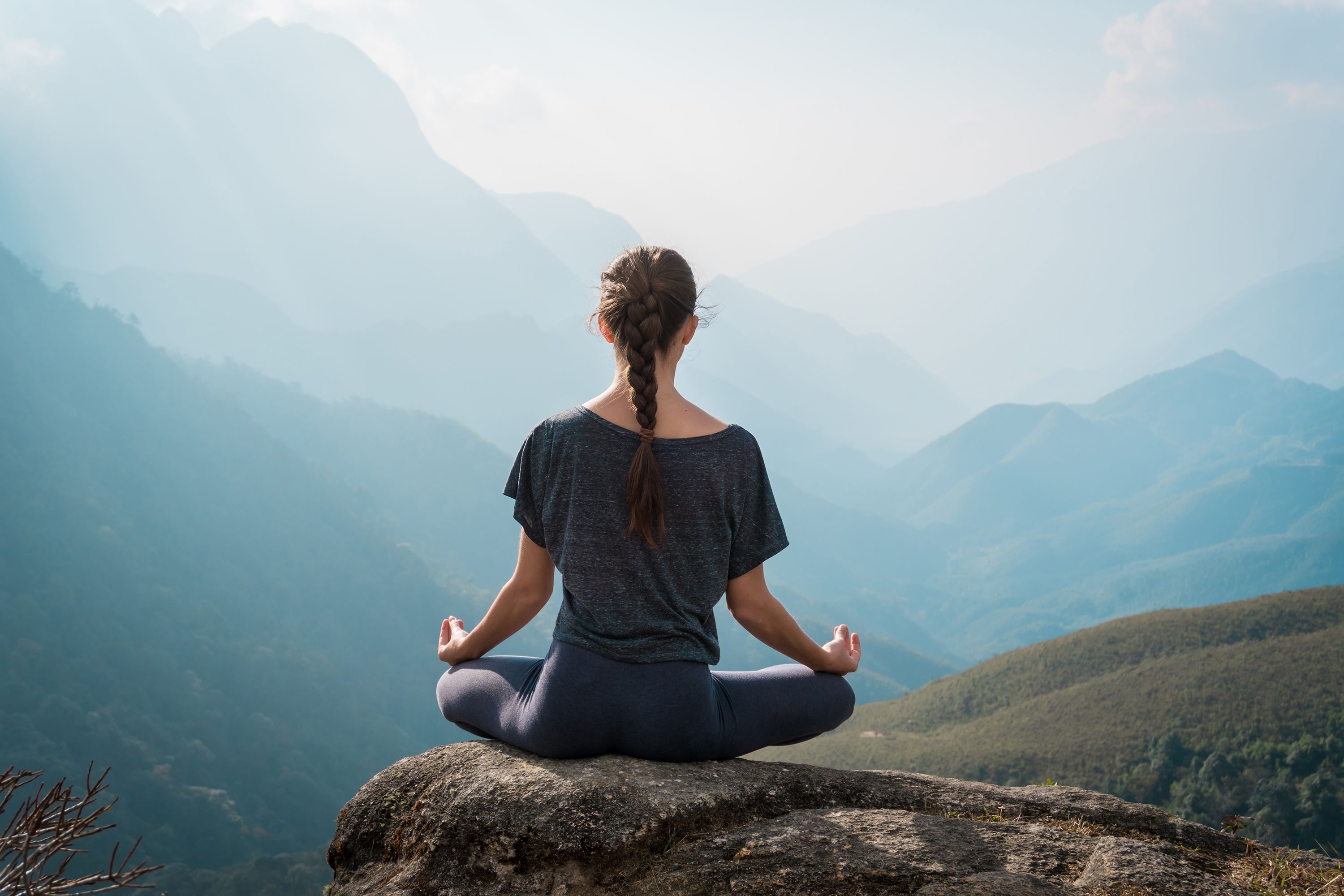

What if your mornings didn’t feel rushed, chaotic, or mentally exhausting?
Imagine waking up without that familiar knot in your chest. No frantic phone scrolling. No mental noise. Just a steady, grounded sense of clarity that quietly carries you through the day.
That’s the real power of calm habits—especially when they’re built into a calm morning routine for focus.
This guide isn’t about waking up at 5 AM or forcing toxic productivity. It’s about creating mornings that work with your nervous system, not against it.
Why Mornings Shape Your Entire Day
Your morning is like the opening scene of a movie. It sets the tone, mood, and pace for everything that follows.
The Science Behind Calm Habits and Focus
Neuroscience shows that the brain is most suggestible in the first hour after waking. Calm habits during this window:
- Reduce cortisol spikes
- Improve focus and working memory
- Increase emotional resilience
- Lower anxiety throughout the day
Stress, Cortisol, and the First 60 Minutes
When you wake up and immediately check notifications, your cortisol skyrockets. A calm morning routine for focus helps regulate stress naturally.
Understanding Calm Habits: What They Really Mean
Calm vs Lazy: Clearing the Misconception
Calm does not mean unmotivated. Calm habits improve clarity, decision-making, and long-term productivity.
Why Calm Habits Work Better Than Hustle Culture
Hustle culture runs on adrenaline. Calm habits run on sustainability.
Who Needs a Calm Morning Routine the Most
Teens and Young Adults
Calm habits help manage academic pressure, digital overload, and emotional stress.
Adults Experiencing Stress or Anxiety
A calm morning routine acts like emotional armor for the day.
Mindfulness and Meditation Practitioners
Morning calm deepens awareness and prevents burnout.
People Focused on Healthy Lifestyles
Mental calm supports physical health goals.
Step-by-Step: How to Build a Calm Morning Routine for Focus
Step 1: Wake Up Gently (Not in Panic Mode)
Alarm Strategies That Protect Your Nervous System
- Use gentle alarm sounds
- Avoid excessive snoozing
- Wake up at consistent times
- Get sunlight within 10 minutes
Step 2: Avoid the Phone Trap
Why Dopamine Hijacks Your Focus
Notifications create artificial urgency. Avoid phone use for the first 20–30 minutes.
Step 3: Breathe Before You Think
Simple Breathing Technique for Instant Calm
- Inhale for 4 seconds
- Hold for 4 seconds
- Exhale for 6 seconds
- Repeat 5 times
Step 4: Create a Calm Body First
Stretching, Movement, and Hydration
- Gentle stretching or yoga
- Short walk
- One glass of water
- Optional herbal tea
Step 5: Mindful Input
Journaling, Reading, or Silence
- Gratitude journaling
- Brain dump writing
- Reading calming material
- Silent sitting
Step 6: Set One Clear Intention
Choose one intention for the day, such as calm, presence, or focus.
Sample Calm Morning Routine (15, 30, and 60 Minutes)
15-Minute Routine
- Gentle wake-up
- Breathing
- Hydration
- Daily intention
30-Minute Routine
- Stretching
- Breathing
- Journaling
- Intention
60-Minute Routine
- Movement
- Meditation
- Reading
- Calm planning
Common Mistakes That Destroy Calm Energy
- Overcomplicating the routine
- Copying influencer routines
- Expecting instant results
- Quitting after one bad morning
How to Stay Consistent Without Pressure
Habit Stacking for Calm Habits
Attach calm habits to existing routines like brushing teeth or making coffee.
What to Do When Mornings Go Wrong
Create micro-calm moments later in the day with breathing or short walks.
Tools and Products That Support a Calm Morning Routine
- Sunrise alarm clocks
- Journals or planners
- Meditation apps
- Herbal teas
The Long-Term Benefits of Calm Habits
- Better emotional regulation
- Improved focus
- Reduced anxiety
- Better sleep quality
Final Thoughts: Calm Is a Skill You Can Train
You don’t need a perfect morning. You need a kind one. Calm habits practiced daily can quietly transform your life.
Frequently Asked Questions
How long does it take to feel results from calm habits?
Most people feel benefits within a week.
Can night owls build a calm morning routine?
Yes, calm matters more than wake-up time.
Is meditation required?
No. Breathing or stretching works just as well.
What if mornings are unpredictable?
Focus on one portable calm habit like breathing.
Do calm habits improve productivity?
Yes. Calm increases clarity and sustained focus.