Quick summary: why this matters in 2025
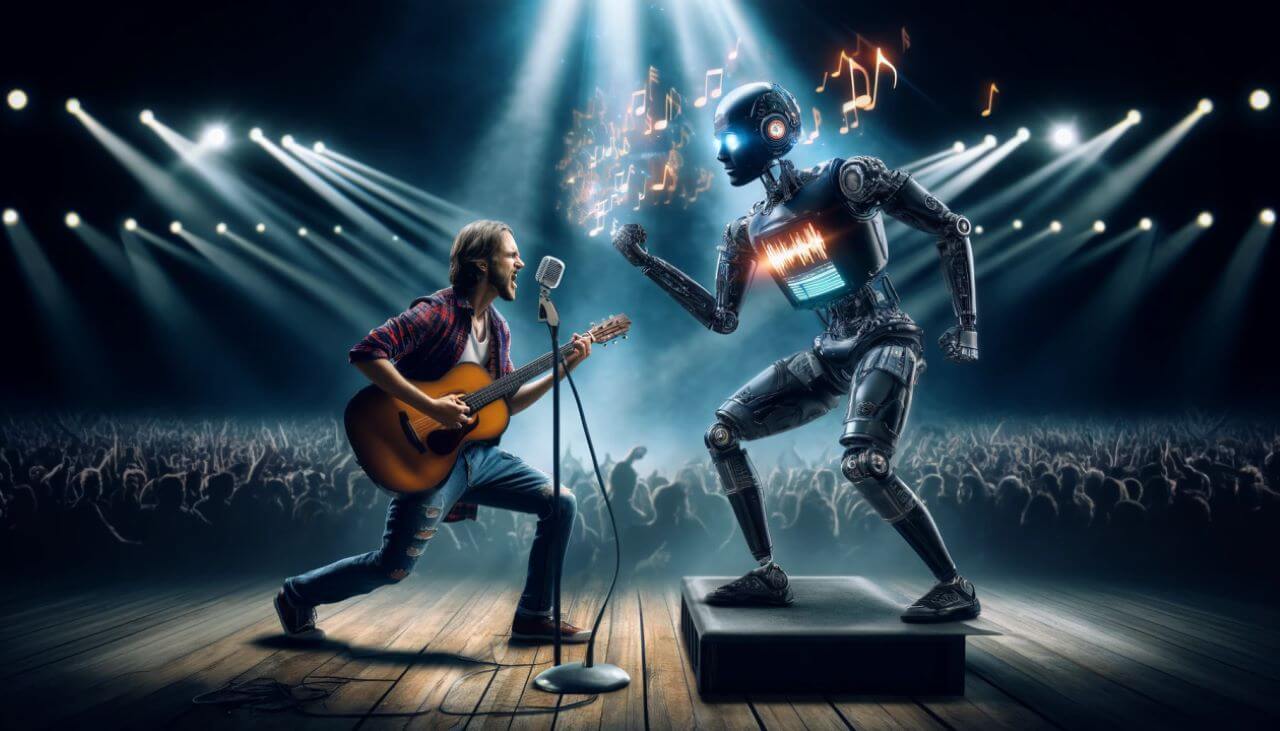
AI music remixes are everywhere — on TikTok, in bedroom producers’ playlists, and in experiment-driven releases by major artists. But just because your favorite app can spin a remix out of a few lines of a track doesn’t mean it’s legally safe to post, stream, or sell. This article breaks down what’s allowed, what’s risky, and what the law and industry are doing about it in 2025 — using plain language for music lovers, creators, and streamers.
What exactly is an AI music remix?
An AI music remix uses machine learning — often generative models — to transform, recompose, or imitate an existing song or recording. That could mean blending stems to create new arrangements, generating new accompaniment in the style of a song, or using models to recreate a vocalist’s tone and inflection. Not all AI-generated pieces are remixes; the legal concern spikes when the output borrows identifiable expression from an existing, copyrighted recording or composition.
AI tools, inputs, and outputs — the basics
Behind the scenes are three moving parts: the training data (what the model learned from), the prompt or input you give, and the generated output. If the model was trained on copyrighted songs without a license and then outputs echoes of those songs, legal risk follows. If you feed stems you own (or have licensed) into an AI and generate something new, your legal position is stronger — but contracts and platform terms still matter.
Copyright fundamentals you need to know
Two separate copyrights most listeners don’t think about: the composition (songwriting — melody, lyrics) and the sound recording (the particular performance and recording). A remix can infringe either or both. Plus, rights like the performer’s publicity right (voice likeness) or contractually assigned rights may apply. A safe remix strategy recognizes all layers.
Composition vs. sound recording: two separate rights
If your remix uses the melody or lyrics, you need permission from the songwriters/publishers. If it uses a recorded vocal, guitar riff, or drum loop from the original recording, you need permission from whoever owns the master (usually a label). Clearing both is the gold standard.
Moral rights, publicity rights, and contracts
Beyond copyright, some jurisdictions recognize moral rights (credit and integrity of the work). Vocal clones can bump into right of publicity — the right of artists to control commercial uses of their voice or likeness — and artists/labels often have contracts that prohibit unauthorized derivatives. Universal Music Group, artists’ organizations, and others have publicly pushed against unauthorized AI replicas.
When AI remixes are clearly legal
Short answer: when you have permission — or when the remix is genuinely original and the AI is just an assistive tool. Examples:
Licensed remixes and authorized derivative works
If you license the composition and the master (or work solely from your own stems), your remix is legal. Many platforms and labels now offer licensing APIs or specific “AI remix” deals for creators, especially after 2024–2025 negotiations began to shape new frameworks.
Original works created with AI as a tool (human authorship)
If the human creator contributes the core creative choices — arrangement decisions, edits, selection of takes, lyrical edits — the resulting remix may qualify as a human-authored derivative or new work. The U.S. Copyright Office has stressed that outputs must reflect meaningful human authorship to be protected. That means simply hitting “generate” and posting an AI-only product is riskier.
When AI remixes are probably illegal
Here are the red flags that usually mean trouble:
Direct copying / near-identical replications
If the AI output reproduces significant, recognizable portions of a copyrighted recording (identical chorus, unique vocal riff), that looks like direct infringement. Courts and labels have pursued takedowns and litigation where models output near-identical or substantially similar material.
Unlicensed vocal cloning and impersonation
Using AI to replicate a famous singer’s voice without consent can violate both copyright (if it copies a protected performance) and publicity laws. Several major labels and artists have publicly pushed for statutory protections and industry agreements to stop unauthorized voice replicas.
Fair use and AI remixes — a messy middle ground
Fair use is not an automatic shield. Courts apply four factors: purpose (transformative vs. commercial), nature of the original, amount taken, and market effect. With AI remixes, the “transformative” analysis is central — but the U.S. Copyright Office and recent cases emphasize meaningful transformation, not superficial tweaks. If your remix competes with the original or reproduces the key expressive elements, fair use is a shaky defense.
The four fair-use factors applied to remixes
- Purpose & character — Parody or critique can favor fair use; monetize-heavy reuploads less so.
- Nature — Creative music gets stronger protection.
- Amount — Using an entire hook is riskier than sampling a tiny, transformed piece.
- Market effect — If the remix reduces sales/licensing value, courts lean toward infringement.
Recent guidance and court signals (2024–2025)
2024–2025 brought government guidance (U.S. Copyright Office reports) and mixed court outcomes that have not settled the law but show trends: courts and regulators demand meaningful transformation, and some early suits have favored plaintiffs when outputs were too similar to training data. At the same time, a few decisions have allowed broader uses under fair use in limited contexts — so expect nuance, not blanket safety.
Training data, models, and secondary liability
Using models trained on copyrighted music raises thorny questions. If an AI system was trained on unlicensed copyrighted tracks and then produces outputs containing those tracks’ distinctive elements, creators and platforms can be exposed — and lawsuits often target both model builders and platforms that distribute outputs. The Copyright Office’s reports dive deep into this, flagging training as a central legal battleground.
Is training on copyrighted songs infringement?
Courts are split and fact-specific. Some decisions find training to be fair use depending on how the data is used and whether outputs reproduce protected expression. Other suits argue that training without permission is derivative copying. Until clearer precedents or legislation arrive, training-based risk remains high for commercial services.
Platform responsibility and takedown rules (DMCA-style)
Platforms hosting user uploads still operate under notice-and-takedown regimes in many regions. That means even if a creator thinks a remix is fair, they can be taken down after a complaint — with potential counter-notice fights. Some platforms are now developing filtering tools (neural fingerprinting, watermarking) to detect AI-generated copies and manage claims.
Practical steps for creators and listeners
If you make or enjoy remixes, here’s a practical checklist to stay out of legal trouble:
How to clear samples and get licenses
- Identify whether you need a composition license (publisher) and/or a master license (label).
- Use sample-clearance services or direct contacts at publishers/labels for negotiated deals.
- For fan remixes, seek platform-specific guidance — some platforms offer restricted remix programs or paid licenses.
Best practices for prompting and crediting
- Keep prompts and inputs documented (date, model, data sources).
- Credit original creators and add disclaimers if an AI assisted your remix.
- Avoid prompts that ask the model to “sound exactly like” a named artist — that invites publicity/impersonation claims.
Industry responses: labels, artists, and platforms
Labels and artist groups have moved from alarm to negotiation. Some major labels are crafting AI licensing deals; others lobby for stronger legal protections against unauthorized replicas. Platforms balance user creativity and legal exposure with detection tools, licensing partnerships, and takedown policies. Expect more negotiated marketplaces for AI-derived remixes as the industry standardizes.
Where licensing deals and codes are heading
Look for two developments: (1) standardized micro-licenses for short-form remixes and (2) enterprise-level agreements between AI firms and rights holders to clear training uses and commercial outputs. These will shape what’s practical (and cheap) for creators to do legally.
What to watch next — likely legal shifts in 2025
- Regulation & reports: Ongoing government reports and possible legislation will clarify training and authorship rules. The U.S. Copyright Office has already produced multipart reports analyzing generative AI issues — watch their guidance for changes.
- Case law: High-profile lawsuits will set precedents about model training, output similarity, and platform liability.
- Industry contracts: Licensing deals between labels and AI companies will create workable templates for creators and platforms.
Conclusion
So — are AI music remixes legal in 2025? The honest answer: sometimes. If you license the material, create genuinely transformative works with meaningful human authorship, or use AI with cleared inputs, you’re usually safe. But unlicensed vocal cloning, near-identical reproductions, and outputs traceable to unlicensed training sets are risky and increasingly contested in court and industry negotiations. Treat AI as a powerful tool — one that requires the same care as sampling a record or quoting a song. When in doubt, clear the rights or work with licensed stems and transparent models.
FAQs
Q1 — Is it legal to post an AI remix on YouTube or TikTok?
Posting is possible, but platforms respond to copyright claims. If your remix uses copyrighted composition or master without permission, it can be muted, demonetized, or taken down. Use platform licensing options or clear samples to reduce risk.
Q2 — Can I use AI to make a song “in the style of” a famous artist?
“In the style of” prompts can be legal if the result is transformative and doesn’t impersonate or recreate a specific artist’s protected performance or voice. But voice cloning and near-identical mimicry are high-risk. Credit and consent are best.
Q3 — Does using an AI that was trained on copyrighted music make my remix illegal?
It depends. Outputs that reproduce protected expression are risky; courts assess facts like how the model was trained, how similar the output is to originals, and the market effect. Training without licenses is a hot legal question and can create exposure.
Q4 — Are there easy ways to legally remix without paying big fees?
Yes: use royalty-free stems, public-domain works, or platforms offering built-in remix licenses. Some labels and publishers are exploring micro-licenses for short-form content — keep an eye on emerging marketplaces.
Q5 — If my remix is taken down, can I fight it?
You can file counter-notices or dispute claims, especially if you believe fair use applies. But counter-notices carry legal implications; consult counsel for commercial disputes. Platforms often provide an appeal path, but litigation is costly.
🎵 Discover the truth behind AI music remixes — what’s legal, what’s not, and how it’s reshaping the music industry in 2025!
👉 Read the full breakdown on RedFortz.com and stay ahead of the AI remix revolution!