Introduction — Why That 1987 Chorus Just Hit You in a New Way
Have you ever watched a show, felt a rush of déjà vu, and then discovered the song you haven’t heard since high school—now climbing the streaming charts? That’s not magic. It’s the power of sync placements. In 2025, syncs are more than licensing line-items; they’re cultural detonators. This article peels back the curtain on how sync placements revive old songs 2025 — and why music lovers, filmmakers, and streaming platforms should care.
What Is a Sync Placement? (Definition & Basics)
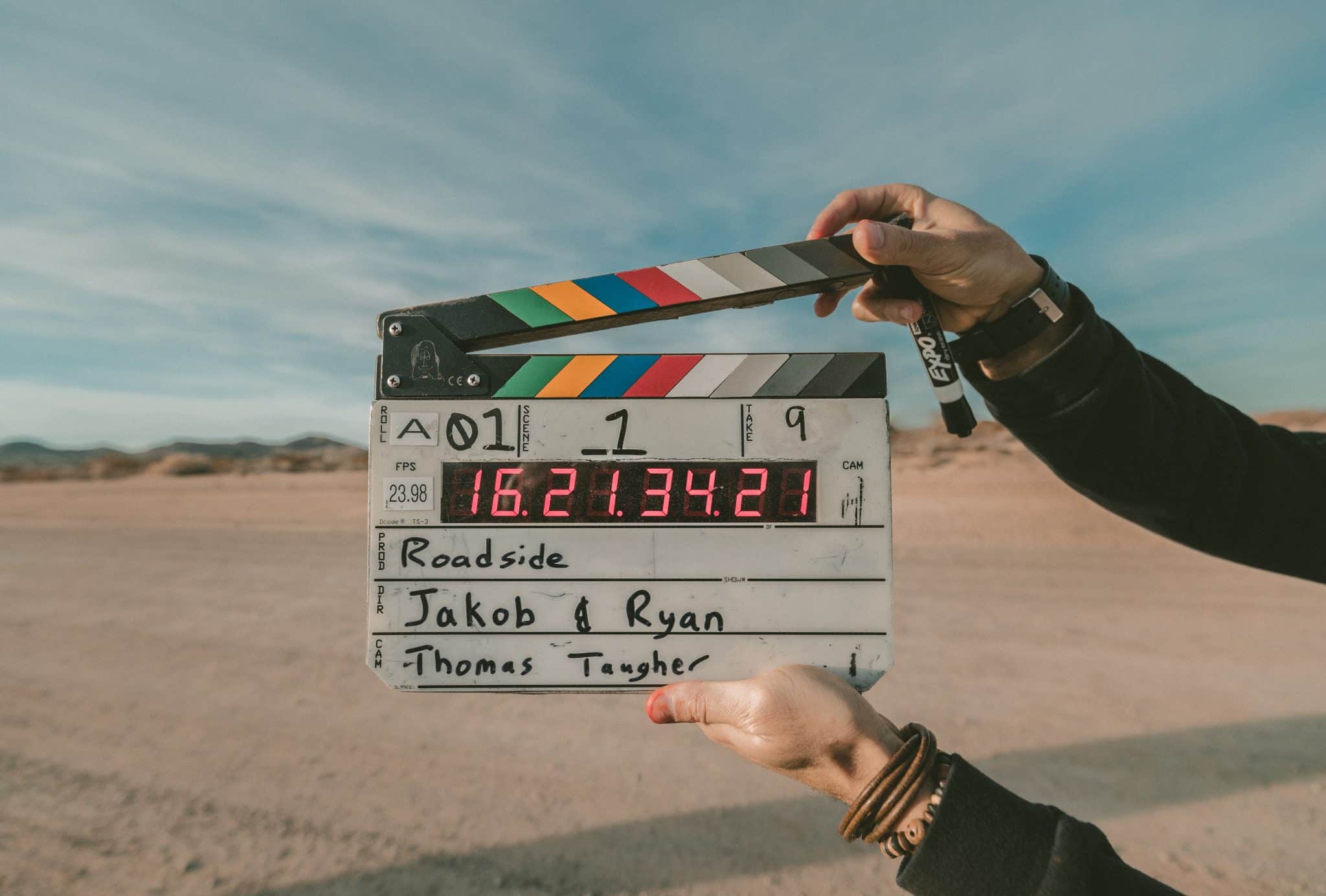
A sync placement happens when recorded music is synchronized with visual media—films, TV shows, commercials, adverts, video games, or online content. It’s the legal and creative act of pairing a specific recording (the master) with moving images, and clearing the publishing rights. Simple? Sort of. The result, though, can be seismic for an older track.
Why Syncs Matter in 2025: The Big Picture
Streaming platforms and short-form video have ramped up demand for instantly recognizable hooks. Audiences are thirsty for emotional shortcuts; a familiar guitar riff skips decades of exposition and lands us right in the scene. In 2025, a single well-placed chorus can send an old song straight to the top of curated playlists and trending charts. Think of syncs as the bridge between the past and the present—built out of melody, memory, and marketing.
From Vinyl to Viral: A Short History of Syncs
Syncs used to be a rare prize—big-budget ads or auteur films. But as content exploded across platforms, the role of music supervisors and sync licensing matured. Sync placements that once meant steady licensing fees now power viral resurgences. The difference today is speed: a placement can trigger a global listening wave within hours via social media.
How a Song Gets Picked: The Sync Process
Getting an old song onto a scene is part art, part admin.
Music Supervisors: The Matchmakers
Music supervisors curate sonic palettes for projects. They’re briefed on tone, era, and emotional beats, then hunt for tracks that solve storytelling problems. An old song may be chosen for authenticity, nostalgia, irony, or contrast.
Licensing Basics: Cue Sheets, Masters & Publishing
Two rights matter: the composition (publishing) and the recording (master). Supervisors secure sync licenses from publishers and master licenses from labels or rights holders. Paperwork and negotiation determine where the song plays, for how long, and the fee.
The Mechanics: Where Old Songs Resurface (TV, Film, Ads, Games, Reels)
Old songs live in many modern homes: a TV pilot on a streaming service, a Super Bowl ad, a game soundtrack, or a 15-second TikTok. Each medium offers a different path to rediscovery. TV can give narrative heft; ads give repetition and reach; games give interactivity; social clips give meme potential.
Case Study Types: Nostalgia in TV, Emotion in Film, Trend in Ads
- TV often triggers mass discovery by embedding music into a character’s moment.
- Film uses music to anchor emotion; think slow-motion montages.
- Ads take advantage of repeat exposure and brand associations that stick.
Why Old Songs Work Better Than New Ones Sometimes
Why do sync supervisors reach for dusty tracks over new releases?
Emotional Memory & Earworms
Old songs carry associative weight. Hearing a familiar track triggers personal memories in a way new music can’t—instantly deepening a scene.
Familiarity vs. Novelty: The Sweet Spot
A familiar song invites viewers in; an unexpected cover or recontextualized old hit gives a new perspective. That tension is gold for storytelling.
The Streaming Domino Effect: From Placement to Playlist
A placement is the first domino. Once it falls, the sequence usually goes like this:
- Viewers hear the song
- They Shazam or search
- Playlists and algorithms notice increased activity
- Editorial playlists or user playlists add the track
- Streaming numbers surge
- Media writes stories about the renaissance
In 2025, social platforms accelerate every step.
Shazam, TikTok, and Algorithmic Boosts
Shazam and music ID apps capture immediate intent. TikTok turns 15-second hooks into trends. Streaming algorithms watch for spikes and reward them with recommendation boosts—so a sync placement can power a week-long taste of renewed fame.
Sync Placements Revive Old Songs 2025 — Strategies That Work Today
Want your catalog to get that revival treatment? Here’s what works right now.
Curated Playlists & Editorial Picks
Editorial curators on streaming platforms often react to sync-driven spikes. Labels that nudge their old tracks into editorial consideration right after a placement see compound gains.
Influencer-Led Resurgences
Influencers can take a sync cue and create content that spreads the track further. Micro creators often have super-engaged audiences who will quickly adopt the sound.
Benefits for Rights Holders: Revenue, Renewed Relevance, Catalog Value
Syncs don’t just make a song trend—they put real money and strategic value into catalogs.
Sync Revenue vs. Streaming Revenue
Licensing fees for syncs can be substantial upfront, and the streaming bump that follows provides sustained, lower-margin income. Together, they can turn previously dormant assets into active revenue streams.
Long-Term Catalog Strategy
A successful sync raises the profile of an artist’s entire catalog. That can lead to reissues, box sets, and licensing arcs across other media. Treat syncs as investment catalysts.
Risks & Considerations: Overexposure, Typecasting, and Royalty Splits
Not every placement is a gift. Overuse can make a song feel commercialized; a brand association could clash with an artist’s image. And complex royalty splits—especially when samples or multiple writers are involved—can muddy the payoff. Rights owners must balance opportunity with integrity.
How Artists and Labels Can Increase Sync Opportunities
So how do you get a seat at the sync table?
Catalog Clean-Up & Metadata Hygiene
Make your tracks discoverable: correct metadata, ISRCs, and clear splits. If supervisors can’t find the right info, they’ll pick something else.
Building Relationships with Supervisors
Network in film and TV communities. Offer curated playlists, stems, or alternate versions to supervisors—make it easy for them to say yes.
Creative Pitching & Alternate Versions
Provide stems, instrumental mixes, and stems for dialogue-safe versions. A stripped acoustic take or a suspenseful instrumental might fit a cue better than the original.
Future Trends: AI, Interactive Media, and Immersive Syncs
AI-Assisted Matching (Pros & Cons)
AI tools can spot patterns and suggest matches at scale. That speeds discovery but raises questions about creative control and compensation. Expect hybrid workflows: AI helps search, humans curate.
XR, Games, and Personalized Soundtracks
Interactive experiences are growing. Imagine a personalized soundtrack that adapts to player choices—old songs can be remixed into adaptive scores, keeping them relevant in new formats.
Quick Action Checklist for Getting an Old Song Back into the Market
- Audit metadata, rights, and splits.
- Create alternate mixes and stems.
- Build a sync kit (clearances, cue suggestions, mood descriptions).
- Pitch to supervisors and agencies with specific scene ideas.
- Monitor social platforms and prepare a playlist/PR push post-placement.
Conclusion
Sync placements are the secret comeback engine of modern music culture. They connect emotional memory with modern distribution systems to create rapid, measurable resurgences. Whether you’re a music lover who finds joy in hearing a beloved chorus in a new show, or a rights holder eyeing renewed revenue, understanding the mechanics—people, paperwork, and platforms—lets you participate in the alchemy. In 2025, sync placements revive old songs 2025 isn’t just a keyword—it’s a living strategy for pulling the past forward into present playlists and future revenues.
FAQs
Q1: How fast do streaming numbers rise after a sync placement?
A1: It varies—some songs spike within hours if clipped to social media; others grow over days as word-of-mouth and editorial pick-ups accumulate.
Q2: Do old songs always make more money from syncs than new songs?
A2: Not always, but older songs often carry emotional value that can command higher sync fees and deeper audience engagement, which translates to streaming longevity.
Q3: Can independent artists get sync placements, or is it only for major labels?
A3: Absolutely. Independent artists with clean rights, good metadata, and proactive pitching can land placements—sometimes more nimbly than major catalog holders.
Q4: Will AI replace music supervisors in picking songs?
A4: AI will assist, not replace. Supervisors bring human context—irony, nostalgia, subtext—that AI can’t fully replicate yet.
Q5: What’s a practical first step for an artist who wants to revive an old song?
A5: Clean up metadata and create a short sync kit (stems, instrumental, mood notes). Then reach out to supervisors or use curated licensing platforms to start conversations.
.