Introduction: Why Superheroes Dominate Our Screens
If you’ve noticed that superhero movies are everywhere—from theaters to streaming platforms—you’re not imagining it. These stories have captured the imagination of generations, giving us larger-than-life figures who inspire, entertain, and sometimes reflect our deepest fears. But how did we get here? To understand the present, we need to go back through the history of superhero movies.
The Early Origins of Superhero Cinema
The 1940s Serial Era
Superhero movies didn’t start with billion-dollar budgets. In the 1940s, heroes like Superman, Batman, and Captain America appeared in short serials shown before feature films. They were low-budget, campy, and often unintentionally hilarious—but they laid the foundation for everything to come.
Post-War Decline and Dormancy
After World War II, audiences shifted interest toward Westerns, war films, and dramas. Superheroes faded into the background, only surviving in comic books. The genre entered a quiet phase until a new wave of pop culture changed everything.
The Silver Age of Superheroes
The Birth of Campy Heroes in the 1960s
Remember Adam West’s Batman series? It was colorful, goofy, and full of “BAM!” and “POW!” graphics. While not taken seriously, it kept superheroes alive in mainstream culture and introduced kids to comic book legends.
Superman: The Movie (1978) – A Turning Point
Richard Donner’s Superman was a game-changer. With Christopher Reeve as the Man of Steel, audiences finally believed “a man can fly.” This film marked the first big-budget superhero blockbuster, proving the genre could succeed on a large scale.
The Darker Tone of the 1980s and 1990s
Tim Burton’s Batman and Its Gothic Appeal
In 1989, Batman arrived with Michael Keaton donning the cowl and Jack Nicholson as the Joker. Burton’s dark, gothic style redefined the superhero aesthetic. No more campiness—audiences were ready for grittier stories.
Blade (1998) – The Forgotten Pioneer
Before Spider-Man and the MCU, Blade gave us a vampire-hunting half-hero that paved the way for modern superhero movies. Though underrated, it was one of the first Marvel films to achieve both box office and critical success.
The 2000s: The Rise of the Modern Superhero Era
X-Men and Spider-Man – Setting the Stage
When Bryan Singer’s X-Men (2000) and Sam Raimi’s Spider-Man (2002) hit theaters, the game changed forever. Special effects improved, storytelling matured, and fans realized superheroes could dominate mainstream cinema.
Christopher Nolan’s Dark Knight Trilogy
With Batman Begins (2005) and The Dark Knight (2008), Nolan reinvented the superhero genre with realism and depth. Heath Ledger’s Joker became iconic, and suddenly, superhero films weren’t just “popcorn movies”—they were award-worthy.
The Marvel Cinematic Universe (MCU) Revolution
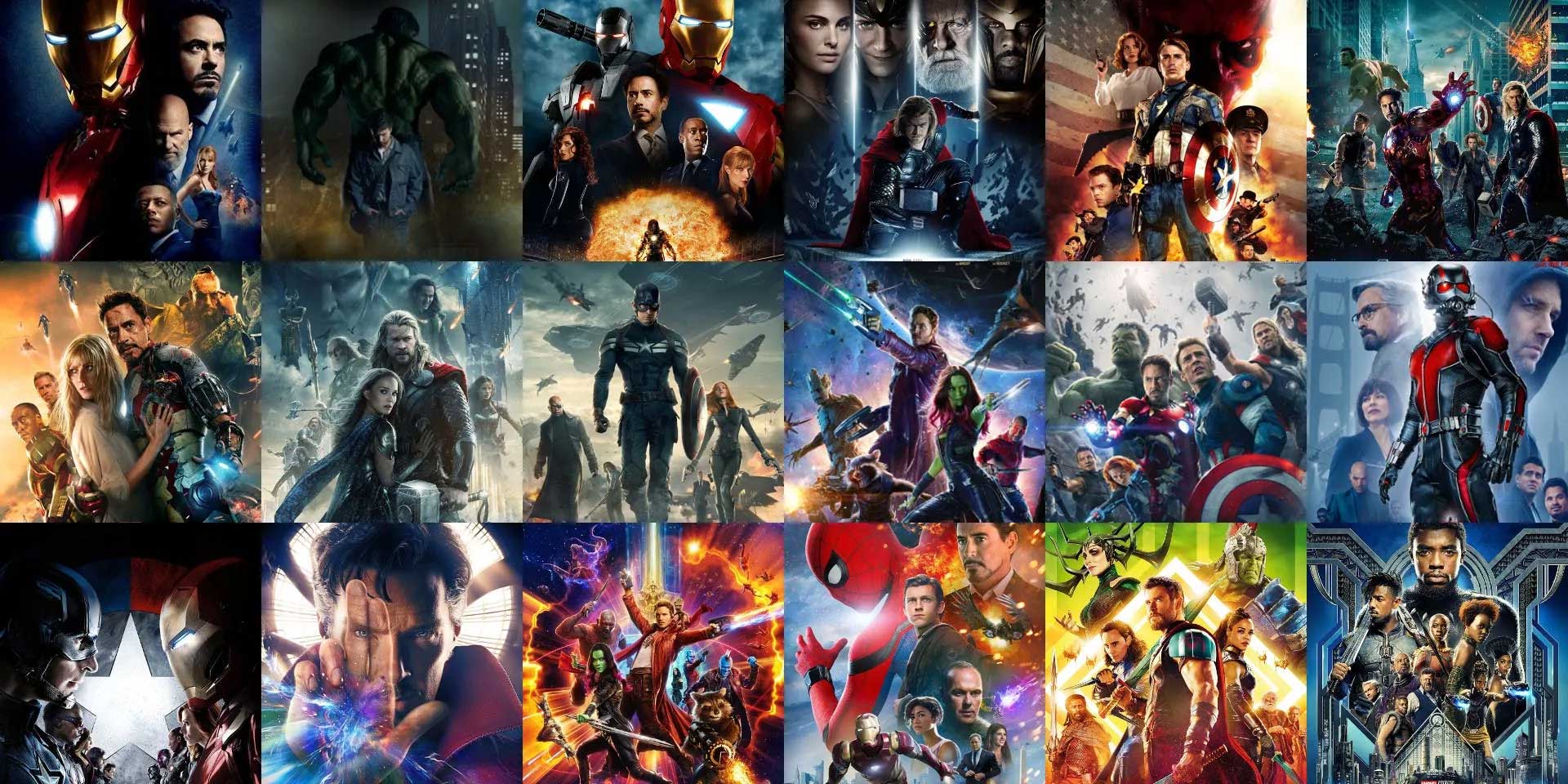
Iron Man (2008) – The Beginning of a Legacy
When Robert Downey Jr. first suited up as Iron Man, nobody expected the MCU would become a cultural juggernaut. But this film launched an interconnected universe unlike anything in movie history.
Avengers (2012) and Shared Universe Phenomenon
By bringing heroes together, The Avengers became a landmark. It showed studios that audiences loved crossover stories. From here, Marvel built an empire of interconnected films, each contributing to a bigger narrative.
The DC Extended Universe (DCEU) Response
Zack Snyder’s Vision and Controversies
DC attempted to catch up with Marvel, launching films like Man of Steel (2013) and Batman v Superman (2016). While visually stunning, these movies divided fans, sparking debates that continue to this day.
The Rise of Wonder Woman and Aquaman
Despite struggles, films like Wonder Woman (2017) and Aquaman (2018) showed DC could still deliver crowd-pleasers with global appeal.
The Expansion Beyond Marvel and DC
Independent and International Superhero Films
Not all heroes wear capes—or belong to Marvel or DC. Movies like The Incredibles (Pixar), Kick-Ass, and international films like Shin Kamen Rider showcased the diversity of the superhero genre.
Streaming Platforms and Original Superhero Content
With Netflix, Disney+, and Amazon Prime, we now have superhero shows like The Boys, Invincible, and Marvel’s Disney+ series. The superhero craze is no longer limited to the big screen.
Diversity and Representation in Superhero Movies
Female-Led Blockbusters
From Captain Marvel to Wonder Woman, female superheroes finally headlined their own blockbusters. These films broke records and proved audiences were hungry for more inclusive heroes.
Heroes of Color and Inclusivity
Films like Black Panther and Shang-Chi brought diversity to the forefront, giving representation to cultures previously sidelined in Hollywood.
The Future of Superhero Movies
Multiverse Storytelling
Now, we’re entering the era of multiverses. Movies like Spider-Man: No Way Home and Doctor Strange in the Multiverse of Madness explore alternate realities, opening endless storytelling possibilities.
The Shift Towards Mature and Experimental Narratives
As audiences evolve, so do superheroes. Expect more R-rated hits like Deadpool and experimental projects that mix genres—superheroes in horror, comedy, or even arthouse cinema.
Conclusion: A Never-Ending Heroic Journey
From 1940s serials to billion-dollar franchises, the history of superhero movies has been nothing short of epic. These films reflect the times—sometimes lighthearted, sometimes dark, but always larger than life. And as long as audiences crave heroes, this genre isn’t going anywhere.
FAQs
Q1: What was the first superhero movie ever made?
The first widely recognized superhero movie was the 1941 Adventures of Captain Marvel serial.
Q2: Which movie started the Marvel Cinematic Universe?
Iron Man (2008) officially kicked off the MCU.
Q3: What superhero film made the genre more serious?
Christopher Nolan’s The Dark Knight (2008) brought realism and prestige to superhero films.
Q4: Are superhero movies still popular in 2025?
Absolutely! With multiverse stories and streaming expansions, superhero films remain cultural powerhouses.
Q5: What’s next for superhero movies?
Expect more diversity, genre blending, and experimental storytelling in the next decade.
🔗 For more trending articles on movies, entertainment, and culture, visit redfortz.com.
📌 Redfortz.com brings you fresh insights into film, TV, and pop culture—stay updated with the stories that matter.