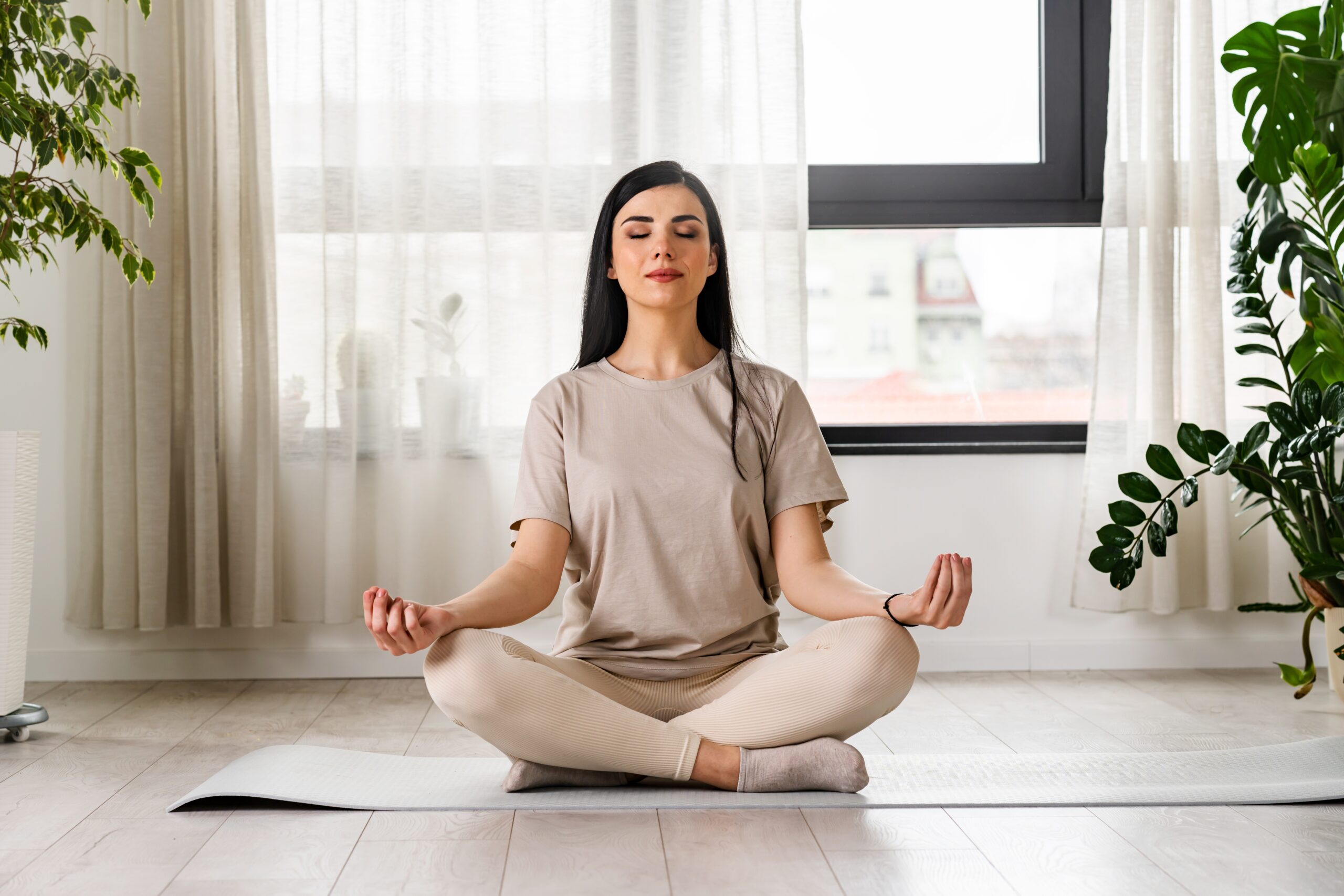

Introduction: The Link Between Body Movement and Mental Peace
Have you ever noticed how a brisk walk or a short workout can instantly lift your mood? That’s not just a coincidence. Exercise does more than sculpt your body—it sculpts your mind. By adopting calm habits through physical activity, you’re giving your brain a natural reset button, clearing mental fog, and boosting focus throughout the day.
Whether you’re a teen juggling school, a young adult navigating work stress, or someone seeking mental peace, building exercise habits for mental clarity and calm can transform your life. Let’s dive deep into the science, practical tips, and real-life strategies to make this happen.
Understanding Calm Habits
What Are Calm Habits?
Calm habits are intentional routines that help you stay centered, relaxed, and focused even amidst chaos. They include activities like mindful breathing, journaling, meditation, and yes—exercise. Think of them as small anchors that prevent your mind from drifting into stress, anxiety, or mental clutter.
Why They Matter in Daily Life
In our fast-paced world, stress is unavoidable. Without calm habits, our brains can feel like a cluttered desktop with too many open tabs. Regularly practicing calm habits reduces emotional reactivity, enhances decision-making, and improves overall well-being.
The Science Behind Exercise and Mental Clarity
How Physical Activity Affects Brain Chemistry
When you exercise, your body releases endorphins, often called “feel-good” hormones. These natural chemicals not only reduce stress but also improve mood and create a sense of inner calm.
Neurotransmitters That Promote Calmness
Exercise boosts neurotransmitters like serotonin and dopamine. These chemicals regulate mood, sleep, and focus. Essentially, a 30-minute workout can work like a gentle tune-up for your brain, enhancing mental clarity for hours afterward.
The Role of Oxygen and Blood Flow in Mental Clarity
Your brain thrives on oxygen. Exercise increases blood circulation, delivering oxygen and nutrients that sharpen cognitive function. Imagine your brain as a garden—more oxygen-rich blood is like fresh rain nourishing every plant.
Types of Exercise That Promote Calmness
Aerobic Exercise (Running, Cycling, Swimming)
Cardio workouts raise your heart rate, increase oxygen flow, and release endorphins. Even a 20-minute jog can leave you feeling calmer and more focused, making it easier to tackle stressful tasks.
Mind-Body Practices (Yoga, Tai Chi, Pilates)
These exercises combine movement, breathwork, and mindfulness. Yoga, for instance, reduces cortisol levels while improving flexibility and mental focus. It’s like a mini-vacation for your nervous system.
Strength Training and Mental Focus
Lifting weights doesn’t just build muscle—it enhances concentration. Studies show that even moderate resistance training improves executive function, making it easier to think clearly under pressure.
How to Build Exercise Habits for Mental Clarity and Calm
Starting Small: 10–15 Minutes a Day
You don’t need to hit the gym for hours. Short, consistent sessions are more effective in forming lasting calm habits. Start with a brisk walk, light stretching, or a few yoga poses.
Consistency Over Intensity
It’s better to move a little every day than to overdo it once a week. Consistency trains your brain to expect regular calmness, turning exercise into a mental reset tool.
Incorporating Movement Into Daily Life
- Take the stairs instead of the elevator.
- Do desk stretches or quick squats during breaks.
- Walk while listening to a favorite podcast or music.
Small bursts of movement accumulate, reinforcing your exercise habits for mental clarity and calm.
Morning vs. Evening Workouts: Which Enhances Calmness More?
Morning Exercise Benefits
Morning workouts kickstart your metabolism and set a positive tone. They help reduce morning anxiety, improve focus, and make you feel energized for the day ahead.
Evening Exercise Benefits
Evening workouts help release built-up stress and tension from the day. Gentle evening yoga or stretching can improve sleep quality, which is crucial for mental clarity.
Exercise as a Stress-Busting Tool
Reducing Cortisol Naturally
Exercise naturally lowers cortisol, the stress hormone. Over time, this leads to reduced anxiety, better emotional regulation, and more balanced moods.
Mindful Movement Techniques
Paying attention to your breath and body during exercise—like focusing on each step during a run—transforms workouts into mini-meditations. This amplifies the calmness benefits.
Combining Exercise With Other Calm Habits
Meditation and Breathing Exercises
Pairing movement with mindful breathing enhances mental clarity. Even 5 minutes of meditation after a workout can solidify your calm mindset.
Journaling After Workouts
Writing down thoughts or reflections post-exercise helps process emotions, reduce stress, and maintain mental focus.
Healthy Nutrition for Mental Clarity
Fueling your body with nutrient-rich foods amplifies the brain-boosting effects of exercise. Omega-3s, antioxidants, and complex carbs keep both mind and body in sync.
Common Barriers and How to Overcome Them
Time Constraints
Use micro-workouts—5–10 minutes spread throughout the day—to keep your mind clear. Short movement sessions are surprisingly effective.
Lack of Motivation
Find an exercise buddy, listen to energizing music, or set playful challenges. Gamifying your routine keeps it fun and sustainable.
Physical Limitations or Injuries
Low-impact activities like swimming, cycling, or chair yoga can maintain your calm habits without straining your body.
Real-Life Examples: Teens and Adults Who Improved Calmness
- A college student who started 10-minute morning walks noticed reduced anxiety during exams.
- A young professional practicing evening yoga saw a significant boost in focus and sleep quality.
- A teen combining cycling and journaling found it easier to manage daily stress and maintain positivity.
Tips for Staying Motivated Long-Term
Setting Achievable Goals
Break goals into bite-sized targets: “Walk 15 minutes daily” instead of “Exercise every day for an hour.” Small wins build momentum.
Tracking Progress and Celebrating Wins
Use apps, journals, or charts to track your calm habits. Reward yourself for consistency—it reinforces positive behavior.
Conclusion: Embrace Exercise to Foster Calm Habits
Building exercise habits for mental clarity and calm isn’t about perfection—it’s about consistency, enjoyment, and awareness. By integrating even small amounts of physical activity into your day, you can lower stress, sharpen focus, and cultivate long-lasting calm. Start small, stay consistent, and watch as your body and mind flourish together.
FAQs
Can short workouts really improve calmness?
Absolutely. Even 10–15 minutes of mindful movement can reduce stress and enhance focus. Consistency matters more than duration.
How soon can I notice mental clarity benefits?
Some people notice improvements immediately after exercise, while lasting benefits appear after a few weeks of consistent practice.
Are yoga and meditation better than cardio for calm habits?
Both are effective. Yoga combines movement and mindfulness, while cardio boosts endorphins. Mixing both is ideal.
Can exercise replace medication for stress?
Exercise is a powerful tool but not a replacement for prescribed medications. Always consult a healthcare professional before making changes.
How do I stay consistent when life gets busy?
Incorporate micro-workouts, plan sessions like appointments, and focus on short, achievable routines to maintain consistency.