The uae music scene 2025 is no longer just a local curiosity — it’s an evolving global hub where tradition meets trend, and local voices blend with international production. Dive in to see how the Emirates turned into a crossroads for artists, producers and fans.
Why 2025 Feels Different for UAE Music
If you’ve visited Dubai or Abu Dhabi recently, you may have noticed concerts in unexpected places: rooftop art spaces, museum terraces and even desert festivals. But beyond the glitz, a deeper shift is happening — local artists are collaborating with international producers, labels and streaming curators. The result? A hybrid sonic identity that keeps Emirati roots while sounding global.
Historical Snapshot — Where It All Began
Traditional Roots: Emirati & Gulf sounds
Gulf traditions — from pearling songs to oud and maqam — shaped early cultural life. Those melodies and rhythms still inform modern tracks. Producers sample traditional instruments and motifs to add authenticity and a distinct sonic signature.
The Rise of Urban, EDM and Indie Scenes
As commercial radio, expat communities and satellite TV introduced global pop, trap and EDM, young musicians began experimenting. Bedroom producers uploaded tracks; DJs and promoters built local scenes; indie artists played in cafes and art centers. Together, these movements created a musical melting pot.
Infrastructure That Changed the Game
Venues, Festivals, and Live Spaces
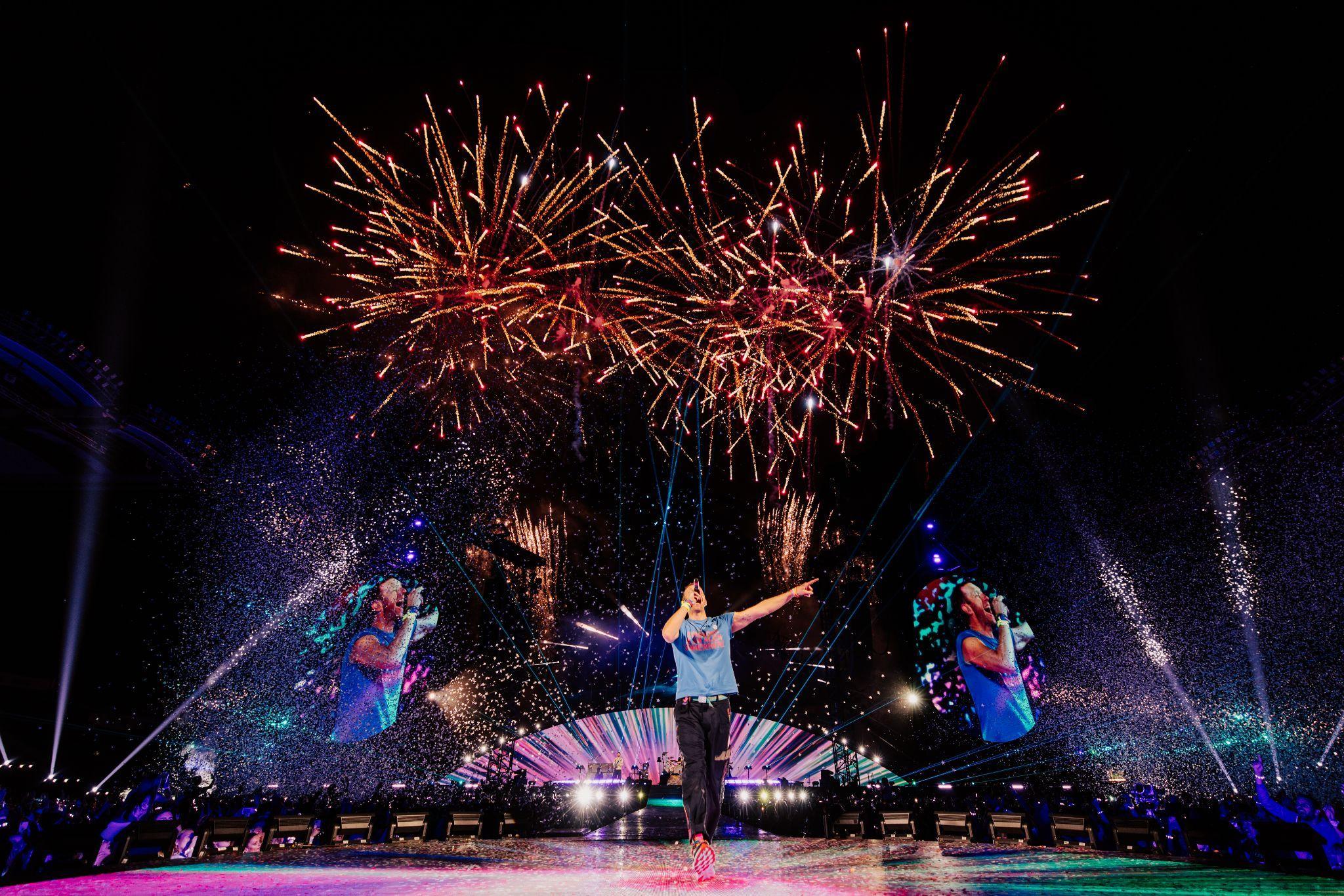
From large arenas to intimate venues, the UAE now offers stages for every act. Festivals attract regional and international talent, giving local acts exposure and networking chances they didn’t have before.
Studios, Labels, and Streaming Platforms
High-end studios and regional label interest shifted the economics of music-making. Streamers now curate local playlists and regional editorial pushes that help Emirati music reach global listeners.
Homegrown Talent — Artists to Watch
Breakout Stars of the Last 3 Years
Several artists who once performed at small venues now collaborate with international producers, play festival main stages, and appear on prominent editorial playlists — proof that infrastructure plus talent can scale careers quickly.
Producers & DJs Shaping the Sound
Many producers trained across electronic and classical traditions fuse oud samples with modern beats, creating tracks that travel easily across playlists and DJ sets worldwide.
Global Collaborations and Crossovers
International Artists Touring the UAE
The steady flow of international tours and residencies gives local fans access to global acts — and local artists the chance to meet, learn and collaborate with visiting stars.
Successful Cross-border Collaborations
Expect songs that mix Arabic hooks with English verses or feature Emirati rappers trading bars with European lyricists. These hybrids perform well because they appeal to multiple markets at once.
The Role of Technology and Streaming
Social Media, TikTok & Viral Discovery
A catchy snippet can make a local track go viral overnight. Artists now optimize clips for short-form platforms to create discovery funnels that lead listeners to full releases.
Localization of Global Platforms
Streaming services have regional editorial teams that spotlight Gulf talent. Those placements convert to streams, revenue, and bigger opportunities for artists.
Business of Music — Rights, Monetization & Festivals
Sync, Licensing and Regional Opportunities
Tracks are increasingly licensed for ads, TV and events. Such sync deals are profitable and help artists gain recognition beyond their home market.
Brand Partnerships and Live Revenue
Brands now sponsor tours, festivals and single releases. Combined with ticket sales, VIP experiences and merch, these revenues are helping build more sustainable careers — though transparency around splits can still improve.
Challenges Facing the Scene
Balancing Tradition with Trend
Artists must choose how much tradition to include without alienating mainstream audiences. That balance often determines long-term credibility and export potential.
Market Size, Language & Export Hurdles
The Gulf market is small compared with global markets. Arabic-language songs are powerful culturally but sometimes limited commercially. Bilingual lyrics, universal production, and collaborations help overcome these hurdles.
What’s Next — Predictions for the UAE Music Scene 2025 and Beyond
Genres Likely to Break Through
Watch for Neo-Gulf R&B, Arabic-electronic fusion, bilingual hip-hop, and globally-minded pop. Those combining local instrumentation with international production are most likely to break through.
Policy, Education and Talent Pipelines
Music education, incubators, and grants will be key. As institutions partner with industry, more professionals will learn business skills crucial for sustainable growth.
How Music Lovers Can Get Involved
Streaming, Attending Shows, Supporting Artists
Follow artists, add songs to playlists, buy tickets and merch, and share discoveries on social media. These actions drive streams and algorithm attention, helping artists grow.
Tips for Fans & Aspiring Creators
- For fans: Prioritize independent artists and attend smaller gigs to discover new talent.
- For creators: Collaborate widely, learn basic production, keep a steady release schedule, and use short-form video for discovery.
Conclusion
The uae music scene 2025 is a story of convergence: tradition meets trend, local talent meets global producers, and boutique gigs meet stadium nights. Artists are free to experiment, platforms spotlight new sounds, and audiences are hungry for something both familiar and fresh. If you’re a music lover, now is the time to dive in—stream, attend shows, and share what you find. The UAE is fast becoming a creator and collaborator on the world stage.
FAQs
Q1: What exactly does “uae music scene 2025” refer to?
A1: It’s shorthand for the current state and trends of music in the UAE as of 2025 — including genres, festivals, artist growth, industry infrastructure, and international collaborations.
Q2: Are there Emirati artists singing primarily in English to reach global audiences?
A2: Yes — many artists now record bilingual tracks or full English songs to increase global streaming potential while keeping Arabic versions or samples for cultural authenticity.
Q3: How can an independent artist in the UAE get noticed internationally?
A3: Focus on high-quality production, collaborate with international producers, leverage short-form social media, pitch to regional playlists, and play festivals that attract global industry attendees.
Q4: Will traditional Gulf music survive the push toward global pop and electronic sounds?
A4: Yes. Traditional music often gets woven into modern tracks as motifs and samples, adding cultural depth and commercial uniqueness rather than disappearing.
Q5: Is the UAE a good place for music careers long-term?
A5: The infrastructure, festivals and international connectivity make it increasingly viable. Long-term success depends on business knowledge, cross-border networks, and adaptability.
- 🎵 Dive into the vibrant UAE music scene 2025 — where local talent meets global collaborations and cultural fusion takes center stage!
- ✨ Explore how the Emirates is shaping the future of world music only on RedFortz.com!